


Cartagena Colombia Hotels – Stays and Travel Tips
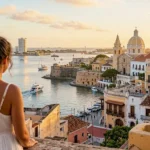
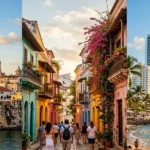
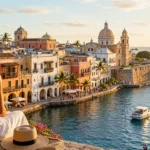
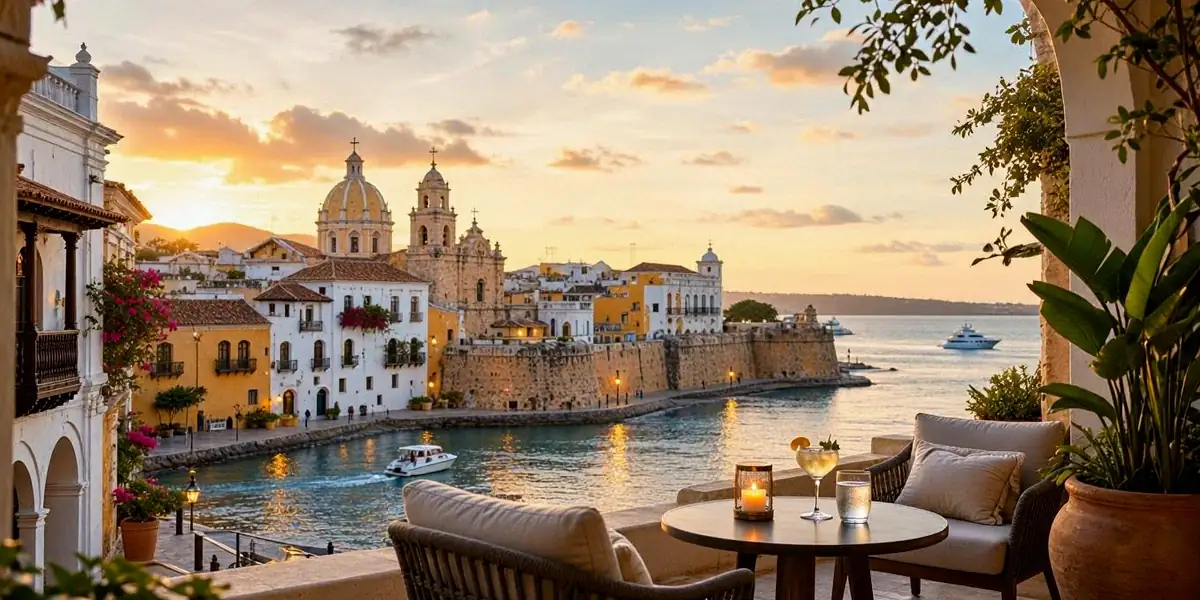
We still remember the moment our team first rounded the corner of the old city wall and caught our first glimpse of Cartagena’s walled city at sunset. The fading Caribbean light was bouncing off ochre and pastel facades, bougainvillea spilled over wrought-iron balconies, and the smell of grilled arepas drifted down cobblestone lanes that have barely changed in four centuries. It felt like stepping into a Gabriel García Márquez novel — which, of course, is exactly the point. What made the moment even sweeter was knowing we’d earned it, because getting to Cartagena from Australia is no small feat. After roughly 24 hours in the air, a stopover somewhere like Santiago or Bogotá, and a serious case of jet lag, that first sunset felt like a reward. This guide is our way of passing that reward on to you — everything Australian travellers need to know about Cartagena Colombia hotels, the walled city, Getsemaní, the Rosario Islands, and how to make the long haul completely worth it.
Why Cartagena Should Be on Every Australian Traveller’s Radar
Let’s be honest: when Australians think of a tropical escape, we usually think Bali, Thailand, or Fiji. Cartagena is different, and that’s precisely why it’s worth the extra flight time. This is a city where Caribbean rhythms meet Spanish colonial architecture, where you can wander through centuries-old plazas in the morning and be snorkelling over coral reefs by lunchtime, and where the nightlife spills out of Getsemaní’s plazas until the early hours. It’s the kind of destination that feels genuinely exotic without being difficult to navigate — and Australian travellers are catching on fast. Over the past few years, Aussie influencers and travel creators have helped push Cartagena up the bucket lists of everyone from honeymooners to backpackers, and the city’s hotel scene has responded with a wave of boutique openings.
The practical side is better than you might expect, too. Qantas and LATAM offer flights from Sydney to Cartagena with one stop in Santiago or Bogotá, taking around 24 hours total. That’s comparable to flying to Europe, and far less painful than most people assume when they hear “Colombia.” Once you land, Australian passport holders do not need a visa for stays up to 90 days in Colombia, which removes an entire layer of pre-trip admin. Add in a favourable exchange rate against the Colombian peso, and Cartagena starts to look like genuinely good value for Aussie travellers willing to go the extra mile — literally.
What really sets Cartagena apart, though, is the sheer variety packed into a small area. The walled city (Centro) is a UNESCO World Heritage Site, Getsemaní is a bohemian playground of street art and craft beer, Bocagrande is a modern beachfront strip of high-rises, and just offshore, the Rosario Islands offer some of the best snorkelling and clearest water on Colombia’s Caribbean coast. You can experience all of it in a week without ever feeling rushed. For Australians used to the well-trodden Southeast Asian circuit, Cartagena offers something rarer: a Caribbean adventure with real history, real culture, and a fraction of the crowds.
Visa and Entry Tips for Australian Passport Holders
Here’s the good news: Australian passport holders do not need a visa for stays up to 90 days in Colombia. You’ll be stamped in on arrival, and as long as your passport is valid for at least six months beyond your entry date and you have proof of onward travel, the process is refreshingly straightforward. Immigration officers at Cartagena’s Rafael Núñez International Airport are generally efficient, though queues can stretch during peak season, so keep your documents handy.
One important caveat: if you’re arriving in Colombia from Brazil, or transiting through certain other South American countries where yellow fever is present, you may be asked to show a yellow fever vaccination certificate. We recommend checking the latest guidance from Colombia’s migration authority before you fly, and if you’re planning to combine Cartagena with a trip to the Amazon or other jungle regions, get vaccinated well in advance. For most Australians flying in via Santiago or Bogotá, the process is simple — but it pays to be prepared.
- No visa required for Australian passport holders for stays up to 90 days
- Passport must be valid for at least six months beyond your arrival date
- Proof of onward travel may be requested at immigration
- Yellow fever certificate recommended if arriving from Brazil or certain other regions
- Keep a digital and printed copy of your accommodation booking
Best Time to Visit: Avoiding the Wet Season and Aussie School Holidays
Cartagena is a year-round destination, but the experience varies significantly depending on when you go. The dry season runs roughly from December to April, which is also peak tourist season. Expect blue skies, hot days, and higher hotel prices — especially around Christmas, New Year, and Easter. If you’re travelling with school-aged kids during the Australian summer holidays, this is your window, but you’ll want to book accommodation months in advance.
The wet season, from May to November, brings afternoon downpours that usually clear within an hour or two. Humidity is higher, but prices drop, crowds thin out, and the city takes on a lush, moody beauty that many travellers actually prefer. September and October are the wettest months, so if you’re sensitive to humidity, aim for May, June, or November instead. One thing to note: Colombian holiday periods, particularly Semana Santa (Easter week) and the December–January peak, see domestic tourists flood into Cartagena. If you want the walled city to yourself, visit in late April or early November.
How to Get There: Flight Routes from Sydney, Melbourne, and Brisbane
There’s no direct flight from Australia to Cartagena, so you’ll be looking at a one- or two-stop itinerary. Qantas and LATAM offer flights from Sydney to Cartagena with one stop in Santiago or Bogotá, taking around 24 hours total. From Melbourne and Brisbane, you’ll typically connect through Sydney first, adding a few hours. The most common routing is Sydney → Santiago → Bogotá → Cartagena, or Sydney → Auckland → Santiago → Cartagena, depending on the airline and season.
If you’re flying with LATAM, you can often book the entire journey on a single ticket, which means your bags are checked through to Cartagena and the airline handles any rebooking if a leg is delayed. That peace of mind is worth paying a little extra for on such a long journey. Alternatively, you can fly into Bogotá and spend a few days exploring Colombia’s capital before catching a short domestic flight to Cartagena — Avianca and LATAM both run frequent services on that route. Our advice: build in at least one rest day on arrival before you start exploring, because jet lag from Australia to Colombia is no joke.
Where to Stay in Cartagena: Neighbourhood Guide for Aussies
Choosing where to stay in Cartagena is the single biggest decision you’ll make when planning your trip, because each neighbourhood has a completely different personality. The walled city is all colonial charm and luxury, Getsemaní is bohemian and budget-friendly, Bocagrande is modern and beachy, and the Rosario Islands offer a completely different, off-grid experience. As Australians, you’ll also want to think about budgeting in AUD — and the good news is that Cartagena offers excellent value across the board, particularly in Getsemaní and Bocagrande. Here’s our breakdown of the main areas, with specific hotel recommendations and tips for Aussie travellers.
Walled City: Luxury and Colonial Charm
The walled city — also known as Centro or the Old Town — is the postcard version of Cartagena. Think cobblestone streets, horse-drawn carriages, flower-draped balconies, and plazas that come alive with music and street performers after dark. Staying here means you’re within walking distance of the city’s best restaurants, museums, and rooftop bars, and you can step out of your hotel straight into the atmosphere. The trade-off is price: this is the most expensive area in Cartagena, and the streets can get crowded during the day.
Our top pick for Australian travellers is Hotel Casa San Agustín, a favourite among Aussies for its colonial architecture and rooftop pool. Set across three restored 17th-century mansions, it’s the kind of place where you’ll find yourself lingering over breakfast in the courtyard, and the rooftop pool is perfect for cooling off after a morning of sightseeing. It’s not cheap, but for a special occasion — a honeymoon, an anniversary, or simply a well-earned splurge — it’s hard to beat. Other strong options in the walled city include Hotel Quadrifolio, Casa Pestagua, and the Sofitel Legend Santa Clara, which occupies a converted 17th-century convent.
Safety-wise, the walled city is well-policed and considered safe for tourists, though as with any popular destination, keep an eye on your belongings in crowded plazas. Budget-wise, expect to pay anywhere from AUD 250 to AUD 800 per night for a luxury stay, with mid-range boutique hotels landing around AUD 150–250.
Getsemaní: Bohemian Vibe and Street Art
Just a 10-minute walk from the walled city, Getsemaní is where Cartagena’s creative soul lives. This former working-class neighbourhood has transformed over the past decade into a hub of street art, craft beer bars, independent galleries, and some of the best-value accommodation in the city. The vibe is relaxed, colourful, and unmistakably local — you’ll see kids playing football in the plazas, grandmothers selling arepas from street carts, and murals covering entire building facades.
For budget-conscious Aussies, Selina Getsemaní is a standout. Part hostel, part boutique hotel, it offers everything from dorm beds to private rooms, plus a co-working space, a pool, and a rooftop bar that’s popular with travellers from all over the world. It’s a great place to meet other backpackers, and the location puts you right in the middle of the action. Other solid Getsemaní options include Casa Vibes (a budget-friendly boutique hotel) and Hotel Casa del Gobernador for something a little more polished.
Getsemaní is generally safe during the day and early evening, but we’d recommend sticking to well-lit streets and avoiding the area around the old market after dark. In terms of budget, you can find comfortable private rooms for AUD 60–120 per night, and dorm beds for as little as AUD 20–30.
Bocagrande: Modern High-Rises and Beach Access
If you want a more conventional beach holiday experience, Bocagrande is your best bet. This is Cartagena’s modern hotel strip, lined with high-rise towers, chain restaurants, and a long stretch of beach. It’s a 10-minute taxi ride from the walled city, so you get the best of both worlds: beach access and easy access to the historic centre. The vibe is more Miami than colonial, but for families or travellers who prioritise a pool and a beach over cobblestones, it’s a solid choice.
Estelar Cartagena de Indias is a reliable mid-range option with ocean-view rooms, a rooftop pool, and a good breakfast spread. Other notable hotels in Bocagrande include the Hyatt Regency, Hotel Caribe (a Cartagena institution), and the InterContinental. Budget-wise, expect to pay AUD 120–250 per night for a comfortable room with a sea view. One word of caution: the beach in Bocagrande is fine for swimming but not the prettiest in the region — if you want truly stunning beaches, you’ll need to head to the Rosario Islands or Barú.
Rosario Islands: Eco-Resorts and Day Trips
The Rosario Islands are a 45-minute boat ride from Cartagena’s Muelle de la Bodeguita, and they feel like a world away from the city. This archipelago of 27 islands offers crystal-clear water, coral reefs, and a handful of eco-resorts and beach clubs that make for an unforgettable overnight stay. If you’re looking to combine city and beach on your Colombian adventure, spending a night or two out here is the way to do it.
Blue Apple Beach House on Tierra Bomba (technically just outside the Rosario Islands but often grouped with them) is a favourite among Australian travellers for its relaxed vibe, excellent food, and commitment to sustainability. On Isla Grande, Hotel San Pedro de Majagua offers comfortable rooms and a beautiful beachfront setting. For something more rustic, there are eco-lodges and glamping options scattered across the islands. Budget-wise, expect to pay AUD 150–400 per night depending on the property and season, with day passes to beach clubs typically costing AUD 50–150 including food and transport.
Top Hotels in Cartagena for Every Budget
One of the things we love most about Cartagena is the sheer range of accommodation on offer. Whether you’re a backpacker counting every peso or a honeymooner ready to splurge, there’s a hotel that fits. Below, we’ve curated our top picks across three price brackets, with notes on amenities, Australian-friendly services, and booking tips. A few things to keep in mind: many hotels offer free cancellation, which is worth taking advantage of given how far in advance Aussies often need to book. And if you’re travelling during December–January peak season, book early — the best properties sell out months ahead.
Luxury Stays: Overwater Villas and Colonial Suites
Cartagena’s luxury hotel scene is genuinely world-class, and for Australians used to paying premium prices at home, the value can be surprisingly good. Hotel Casa San Agustín in the walled city is a favourite among Australian travellers for its colonial architecture and rooftop pool, and it’s the kind of property where every detail — from the hand-painted tiles to the fresh tropical fruit at breakfast — feels considered. Suites here start around AUD 500 per night, but the experience is worth it for a special trip.
Other luxury standouts include the Sofitel Legend Santa Clara, a converted convent with a stunning courtyard and one of the best pools in the city; Casa Pestagua, a boutique hotel in a restored 17th-century mansion; and Hotel Quadrifolio, which offers just eight suites and impeccable service. If you’re after overwater villas, you’ll need to head to the Rosario Islands — properties like Coralina Island and Isla del Encanto offer private villas and bungalows right on the water. Many luxury hotels in Cartagena offer free cancellation up to 48 hours before check-in, so book with confidence.
Mid-Range Gems: Boutique Hotels with Rooftop Pools
The mid-range bracket is where Cartagena really shines, with dozens of boutique hotels offering character, comfort, and rooftop pools at prices that won’t break the bank. Anandá Hotel Boutique in the walled city is a great example — it’s set in a restored colonial home, has a small pool on the roof, and is within walking distance of everything. Rooms start around AUD 180 per night, and the staff are known for going out of their way to help guests.
Other mid-range favourites include Hotel Bantu by Faranda Boutique, Casa del Arzobispado, and Hotel LM. In Getsemaní, Casa Vibes offers a similar boutique experience at slightly lower prices, and Selina Getsemaní is a great option if you want a private room with access to hostel-style social spaces. Many mid-range hotels in Cartagena now offer Australian-friendly touches — we’ve even heard of a few boutique properties that will rustle up Vegemite on request if you ask nicely at breakfast. It never hurts to ask!
Budget-Friendly Options: Hostels and Guesthouses
Cartagena is one of the most affordable destinations in the Caribbean, and budget travellers will find plenty of options. Selina Getsemaní is the most popular hostel in the city, with dorm beds starting around AUD 20–30 per night and private rooms from AUD 70. The hostel has a pool, a rooftop bar, and a calendar of events that makes it easy to meet other travellers. Other good budget options include Casa Vibes, Hostel Casa Torices, and various guesthouses scattered around Getsemaní and the outskirts of the walled city.
If you’re on a tight budget, keep in mind that Cartagena’s cheapest accommodation is often in Getsemaní rather than the walled city, and that dorm beds in peak season can double in price. Booking early is essential, especially if you’re travelling during December–January or around Easter. Many budget properties offer free cancellation, so you can lock in a rate without committing.
- Luxury: Hotel Casa San Agustín, Sofitel Legend Santa Clara, Casa Pestagua (AUD 400+)
- Mid-range: Anandá Hotel Boutique, Hotel Bantu, Casa Vibes (AUD 120–250)
- Budget: Selina Getsemaní, Hostel Casa Torices, local guesthouses (AUD 20–80)
- Booking tip: Book 3–6 months ahead for December–January; look for free cancellation rates
Rosario Islands: The Ultimate Day Trip or Overnight Escape
If you only do one thing outside Cartagena’s city limits, make it the Rosario Islands. This archipelago of coral islands sits about 45 minutes by boat from Cartagena’s Muelle de la Bodeguita, and it offers some of the best snorkelling, clearest water, and most relaxed beach vibes on Colombia’s Caribbean coast. Whether you go for a day trip or stay overnight, the Rosario Islands are the perfect antidote to the heat and hustle of the city.
Getting There: Boats, Catamarans, and Private Charters
The main departure point for the Rosario Islands is Muelle de la Bodeguita, a busy dock just outside the walled city. From here, you have several options. Shared speedboats are the most common and affordable, typically costing AUD 30–60 return and taking around 45 minutes. Catamarans are slower but more comfortable, and often include food and drinks. Private charters are the most flexible option, allowing you to set your own itinerary and visit multiple islands — expect to pay AUD 400–800 for a full-day charter, which can be split between a group.
Whichever option you choose, book through a reputable operator. Bora Bora Beach Club is a popular choice for day trips, offering transport, a beach club base, and lunch. Hotel San Pedro de Majagua runs its own boat service for guests staying overnight. Our advice: book your return boat at the same time as your outbound trip, and confirm the departure time the day before, as schedules can shift with weather and demand.
Best Islands for Snorkelling and Beach Clubs
Isla Grande is the largest island in the Rosario archipelago and home to most of the accommodation and beach clubs. It’s a good base for snorkelling, with several reefs accessible from shore. Isla Barú, technically part of the Rosario Islands but closer to the mainland, is famous for Playa Blanca — a stunning white-sand beach that gets very crowded during the day but is magical at sunrise and sunset. For quieter snorkelling, consider Isla del Rosario or the smaller islets around the archipelago.
Beach clubs worth visiting include Bora Bora Beach Club on Isla Grande, which offers day passes with food, drinks, and access to a private beach; and Blue Apple Beach House on Tierra Bomba, which is known for its excellent food and relaxed atmosphere. If you’re snorkelling, remember to use reef-safe sunscreen — Colombia has been proactive about protecting its coral reefs, and many tour operators will ask you to use reef-safe products. Weekdays are significantly less crowded than weekends, so if you can, plan your visit for a Tuesday or Wednesday.
Where to Stay Overnight: Eco-Lodges and Glamping
Staying overnight in the Rosario Islands is a completely different experience from a day trip. Once the day-trippers leave, the islands become peaceful and quiet, and you can enjoy the stars, the sound of the water, and a slower pace of life. Hotel San Pedro de Majagua on Isla Grande is a solid mid-range option with comfortable rooms, a pool, and a beautiful beachfront setting. Blue Apple Beach House on Tierra Bomba offers a more boutique experience with excellent food and a strong sustainability ethos.
For something more adventurous, there are eco-lodges and glamping options scattered across the islands, including Coralina Island and Isla del Encanto. These range from basic to luxurious, so do your research before booking. Budget-wise, expect to pay AUD 150–400 per night for an overnight stay, with meals often included. Many properties offer free cancellation, so you can book with flexibility.
Practical Travel Tips for Australians Visiting Cartagena
Cartagena is a welcoming, traveller-friendly city, but there are a few practical things Australian visitors should know before they arrive. From currency and safety to health and packing, here’s our essential guide to making your trip as smooth as possible.
Money Matters: ATMs, Cards, and Tipping
The currency in Colombia is the Colombian peso (COP), and as of recent exchange rates, AUD 1 is worth roughly 2,500–2,800 COP. That means a nice dinner for two in the walled city might cost around AUD 60–80, a beer around AUD 3–5, and a taxi across town around AUD 5–10. Cash is still king in many smaller establishments, so keep some pesos on hand for markets, street food, and tips.
ATMs are widely available in Cartagena, particularly in Bocagrande and the walled city, but withdrawal limits can be low (often around 600,000 COP per transaction) and fees can add up. We recommend using ATMs inside banks during business hours and carrying a mix of cash and cards. Credit cards are accepted at most hotels and upscale restaurants, but smaller businesses may charge a surcharge. Tipping is appreciated but not mandatory — 10% is standard in restaurants if a service charge isn’t already included, and small tips for hotel staff, guides, and drivers go a long way.
Staying Safe: Neighbourhoods to Avoid After Dark
Cartagena is generally considered safe for tourists, and the walled city and Bocagrande are well-policed. However, like any city, there are areas to avoid, particularly after dark. We recommend steering clear of the area around the old market in Getsemaní at night, as well as the neighbourhoods of El Bosque, Olaya Herrera, and La María. Express kidnappings — where victims are forced to withdraw money from ATMs — have been reported in some South American cities, though they’re rare in Cartagena. To minimise risk, use Uber or registered taxis rather than hailing cabs on the street, avoid walking alone at night, and keep your phone and valuables out of sight.
Uber operates legally in Cartagena (despite some regulatory grey areas) and is generally cheaper and more reliable than street taxis. If you do take a taxi, agree on the fare before you get in. And as always, trust your instincts — if a situation feels off, remove yourself from it.
What to Pack: Essentials for the Caribbean Heat
Cartagena is hot and humid year-round, so pack light, breathable clothing in natural fabrics. Linen and cotton are your friends. You’ll want comfortable walking shoes for cobblestone streets, a hat and sunglasses for sun protection, and a swimsuit for beach days and rooftop pools. Reef-safe sunscreen is essential, especially if you’re visiting the Rosario Islands — Colombia has been proactive about protecting its coral reefs, and many tour operators will ask you to use reef-safe products.
Other essentials include insect repellent (particularly if you’re visiting the Rosario Islands or other rural areas), a reusable water bottle, and a universal adaptor (Colombia uses Type A and B plugs, same as the US, so you’ll need an adaptor from Australia). If you’re arriving from Brazil or certain other regions, bring your yellow fever certificate. And while Zika is present in Colombia, the risk is generally low for most travellers — pregnant women should consult their doctor before travelling. For staying connected, local SIM cards from Claro or Movistar are cheap and easy to buy, with good coverage in Cartagena and the Rosario Islands.
- Light, breathable clothing (linen, cotton)
- Comfortable walking shoes for cobblestones
- Reef-safe sunscreen and insect repellent
- Universal power adaptor (Type A/B plugs)
- Yellow fever certificate if arriving from Brazil
- Local SIM card from Claro or Movistar for data
Cartagena offers Australian travellers something genuinely different: a Caribbean adventure that combines colonial history, vibrant culture, world-class food, and stunning islands, all without the crowds of more familiar destinations. Whether you’re splurging on a colonial suite at Hotel Casa San Agustín, backpacking through Getsemaní, or escaping to the Rosario Islands for a few nights of tranquillity, this is a city that rewards the long journey. Book your stay with confidence, explore beyond the walled city, and let Cartagena work its magic.
FAQ
Do Australian passport holders need a visa for Colombia?
No. Australian passport holders do not need a visa for stays up to 90 days in Colombia. You’ll be stamped in on arrival, provided your passport is valid for at least six months beyond your entry date and you have proof of onward travel. If you’re arriving from Brazil or certain other regions, you may be asked to show a yellow fever vaccination certificate.
How long does it take to fly from Australia to Cartagena?
Qantas and LATAM offer flights from Sydney to Cartagena with one stop in Santiago or Bogotá, taking around 24 hours total. From Melbourne and Brisbane, you’ll typically connect through Sydney first, adding a few hours. We recommend building in at least one rest day on arrival to recover from jet lag.
Is Cartagena safe for Australian tourists?
Yes, Cartagena is generally considered safe for tourists, particularly in the walled city, Bocagrande, and Getsemaní during the day. As with any city, take normal precautions: use Uber or registered taxis, avoid walking alone at night, and steer clear of areas like the old market after dark. Trust your instincts and keep your valuables out of sight.
How do I get to the Rosario Islands from Cartagena?
The Rosario Islands are a 45-minute boat ride from Cartagena’s Muelle de la Bodeguita. You can take a shared speedboat, catamaran, or private charter. Book through a reputable operator like Bora Bora Beach Club or arrange transport through your hotel. Weekdays are less crowded than weekends.
What is the best time of year to visit Cartagena?
The dry season from December to April offers the best weather but also the highest prices and biggest crowds. The wet season from May to November brings afternoon downpours, lower prices, and fewer tourists. For a balance of good weather and manageable crowds, aim for late April or early November.
Latest articles
- Where to Stay in Cartagena: Areas Compared
 Where to Stay in Cartagena: Areas Compared You’ve just stepped off a long-haul flight from Sydney or Melbourne — maybe via Santiago… Read more: Where to Stay in Cartagena: Areas Compared
- What to Eat: Arepas, Ceviche and Cocadas
 What to Eat in Cartagena Colombia: Arepas, Ceviche and Cocadas We step out into Getsemaní just as the sun drops behind the… Read more: What to Eat: Arepas, Ceviche and Cocadas
- Walled City vs Getsemaní vs Bocagrande
 Walled City vs Getsemaní vs Bocagrande: Which Cartagena Neighbourhood Should You Stay In? Picking where to sleep in Cartagena is the single… Read more: Walled City vs Getsemaní vs Bocagrande
- Three Days in Cartagena: An Itinerary
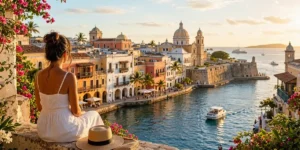 Three Days in Cartagena: An Itinerary for Australian Travellers It’s a Tuesday in July, you’re rugged up in a puffer jacket waiting… Read more: Three Days in Cartagena: An Itinerary
- Staying Safe in Cartagena
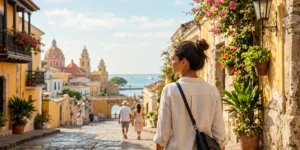 Staying Safe in Cartagena: What Australian Travellers Need to Know Safety is one of the first things Australians ask us about before… Read more: Staying Safe in Cartagena
- Rosario Islands Day Trip Guide
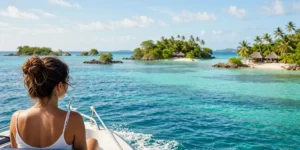 The Rosario Islands Day Trip: Our Honest Guide for Australian Travellers You step off the speedboat and your feet hit sand so… Read more: Rosario Islands Day Trip Guide