Three Days in Cartagena: An Itinerary for Australian Travellers
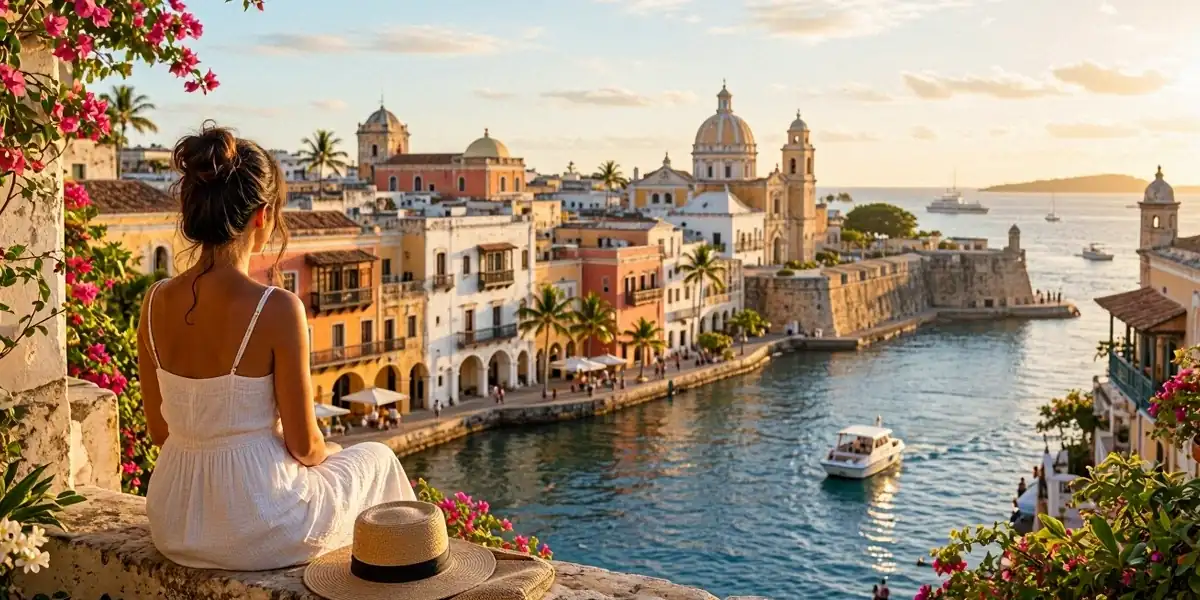
It’s a Tuesday in July, you’re rugged up in a puffer jacket waiting for the ferry at Circular Quay, and your Instagram feed is full of people swimming in warm Caribbean water. Time to flip the script. Cartagena, Colombia, sits on the country’s northern coast, where the temperature hovers around 30°C year-round and the old town looks like a film set someone forgot to dismantle. We’ve put together a three-day plan that balances the history of the walled city, a proper beach day at the Rosario Islands, and the street-level culture of Getsemaní — enough to get under the skin of the place without sprinting through it.
Day 1: Immerse Yourself in the Walled City
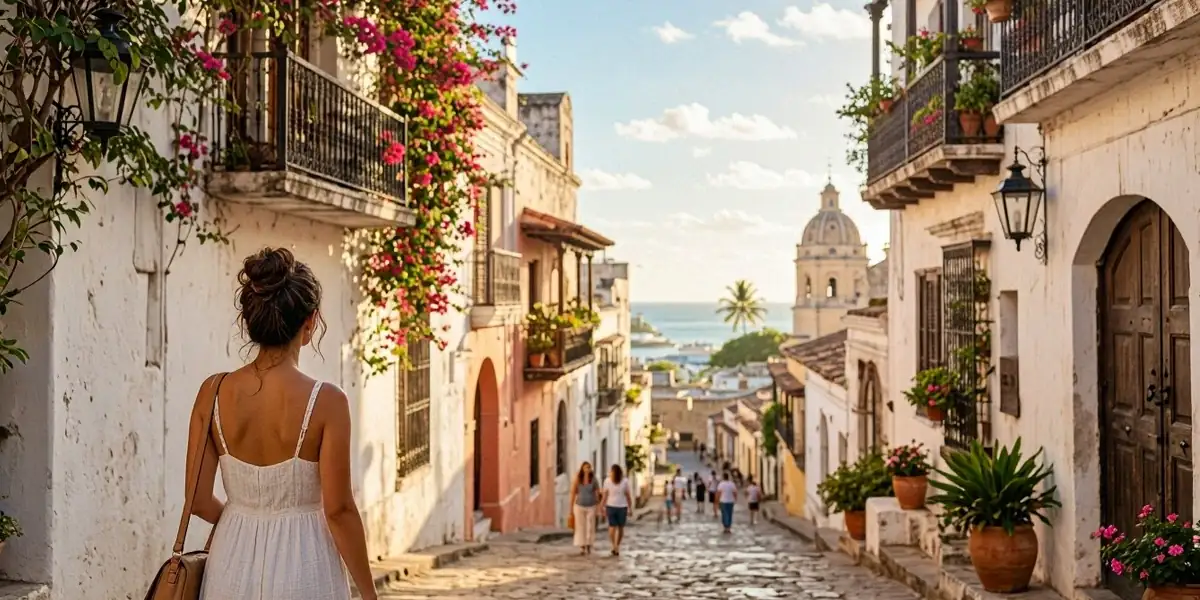
Start where Cartagena started. The walled city — Ciudad Amurallada — is a UNESCO World Heritage site, a grid of colonial streets, plazas and churches built behind defensive walls the Spanish started throwing up in the 16th century to keep out pirates. You can walk the whole thing in a morning, but you’ll want to slow down. Base yourself inside or right next to the walls if you can; Hotel Casa San Agustín, a converted 17th-century mansion with a courtyard pool, is our pick for a splurge, and it puts you five minutes from everything below.
Morning: Walking the Historic Walls
Get out early, before the heat and the tour groups. Walk the ramparts from the Baluarte de San Francisco Javier towards the Clock Tower — the Torre del Reloj — which marks the old main entrance to the city. From there, wander up to Plaza Santo Domingo, home to the striking Iglesia de Santo Domingo and, at the right time of day, a row of ladies in bright dresses balancing fruit bowls on their heads for photos. Stop for a cold limonada or an iced coffee when the sweat starts to win.
Afternoon: Museums and Plazas
After lunch, duck into the air conditioning. The Palace of the Inquisition on Plaza Bolívar is grim but fascinating, and the Museo de Oro (Gold Museum) is small, free-ish and worth 45 minutes. If you’d rather stay outdoors, Plaza de la Aduana and Plaza San Pedro Claver are both good for people-watching. For lunch, La Cevichería on Calle Stuart is the spot — Anthony Bourdain ate here, and the ceviche and seafood rice justify the queue. Go early or late to avoid the worst of it.
Evening: Sunset at Café del Mar
You’ve earned a drink. Café del Mar sits right on top of the western wall, facing the Caribbean, and it’s the classic spot to watch the sun drop into the sea. It’s touristy, the cocktails aren’t cheap, and it’s still worth it. Get there 30–45 minutes before sunset, grab a spot on the wall, and stay for the lights coming on across the old town. Dinner afterwards: try somewhere low-key in San Diego or back near Plaza Santo Domingo.
Day 2: Rosario Islands and Beach Time
Day two is a beach day, and the Rosario Islands are the reason people drag themselves away from the walled city. The islands are a 45-minute boat ride from Cartagena and part of a national park, which means clear water, coral, mangroves and a lot less development than you’d expect this close to a major city. Australians, take note: book your tour in advance, especially in high season (December to April, and around Colombian holidays). Boats fill up, and turning up at the dock hoping for a spot is a gamble we wouldn’t take.
Getting There: Boats from Cartagena
Most tours leave from the Muelle de la Bodeguita or the marina near Bocagrande, generally between 8am and 9am, and return mid-afternoon. You can book a shared speedboat, a private charter, or a day pass at a specific beach club. If you’re prone to seasickness, take something before you board — the crossing can be bumpy depending on the wind.
Top Islands: Isla Grande and Isla del Pirata
Isla Grande is the largest island in the group and where most of the accommodation and beach clubs sit. Isla del Pirata is smaller, quieter and popular for snorkelling — the reef around it is shallow and easy to navigate even if you’re not a confident swimmer. Blue Apple Beach on Tierra Bomba is a well-run beach club with a pool, good food and a relaxed crowd. If you want the full Rosario experience, look for a tour that includes both Isla Grande and a snorkel stop.
Where to Eat: Fresh Seafood at Coralina
Back in Cartagena for dinner, Coralina is a solid choice for fresh Caribbean seafood — think grilled snapper, coconut rice and patacones. It’s in the old town, so you can walk off dinner afterwards along the walls. If you’ve come back from the islands sunburnt and exhausted, room service is a perfectly respectable alternative.
Day 3: Getsemaní and Local Culture
Getsemaní is the neighbourhood just outside the walled city — a 10-minute walk from the Clock Tower — and it’s where Cartagena’s creative, musical, slightly chaotic side lives. It’s known for its vibrant street art, which covers everything from crumbling facades to whole laneways, and for its nightlife. If you want to stay here, Hotel Boutique Casa del Coliseo is a good shout: small, characterful, and walking distance to everything.
Morning: Street Art and History
Take a walking tour or just wander. The streets around Plaza de la Trinidad are the heart of it — murals, cafés, and a square that fills with locals and travellers as the day goes on. We’d recommend a food tour with Cartagena Connections, which runs small-group walks through Getsemaní and the markets, tasting arepas, fruit, ceviche and sweets while explaining the history behind the neighbourhood’s transformation.
Afternoon: Market Visit at Bazurto
Mercado de Bazurto is Cartagena’s real market — loud, messy, hot, and absolutely worth it if you’re up for it. Go with a guide, leave the jewellery at the hotel, and don’t take photos of people without asking. You’ll see fruit you’ve never heard of, fish coming in off the boats, and a side of the city that doesn’t appear on postcards. If that sounds like too much, an afternoon back in Getsemaní with a cold beer and a book is a fine alternative.
Evening: Rooftop Bars and Salsa
Finish with a rooftop. There are dozens across Getsemaní and the old town — pick one with a view of the walls or the sea and settle in for sunset. After dinner, if you’ve got energy left, find a salsa bar. Café Havana in Getsemaní is the famous one; it’s busy, it’s loud, and the live band is worth the cover charge. You don’t need to know how to dance. Nobody cares.
Where to Stay: Our Top Hotel Picks
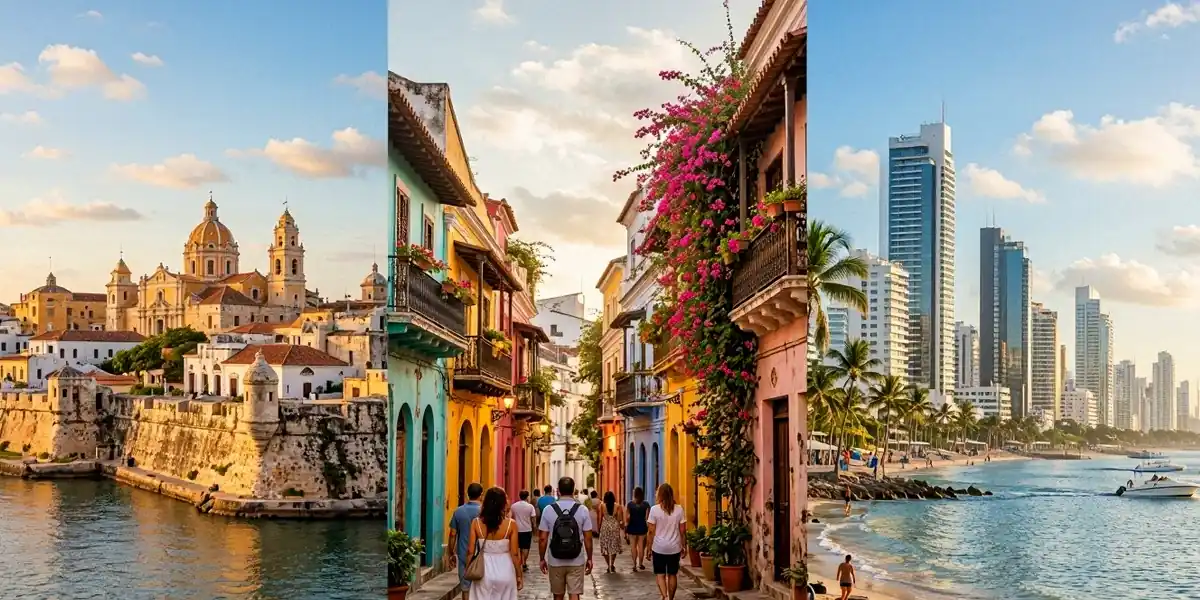
Where you stay shapes how the three days feel. Staying inside the walls puts you in the middle of the postcard but can be noisy and pricier; Getsemaní is cheaper, livelier and still walkable; Bocagrande is modern and beachfront but lacks the character. Here’s how we’d break it down.
- Luxury: Sofitel Legend Santa Clara. A luxury hotel housed in a 17th-century convent, complete with cloisters, a courtyard pool and a genuinely impressive sense of history. It’s inside the walled city, five minutes from Plaza San Pedro Claver, and the kind of place you book when the trip is a milestone.
- Mid-Range: Hotel Ananda. A boutique option in the old town with a rooftop pool and comfortable, well-priced rooms. More character than a chain, less damage to the wallet than the Sofitel.
- Budget: Casa Vibes. A friendly, well-located budget option in Getsemaní with dorms and private rooms. A short walk to the walled city, close to the nightlife, and a good base if you’d rather spend your money on food and tours than on a room you’ll barely use.
Practical Tips for Australian Travellers
Flights and Getting Around
There are no direct flights from Australia to Cartagena. Qantas and LATAM offer flights from Sydney to Cartagena with stops in Santiago or Auckland, usually connecting through Bogotá or Medellín. Total travel time is long — think 24 to 30 hours door to door — so build in a rest day if you can. Once you’re in Cartagena, the old town and Getsemaní are walkable; taxis and Uber are cheap for longer hops, and you’ll want them for the airport run.
Money and Costs
The currency is the Colombian peso (COP). Cards are widely accepted in hotels and nicer restaurants, but carry cash for markets, street food and taxis. ATMs exist but can be unreliable — withdraw more than you think you need when you find one that works. Compared to Australian cities, Cartagena is affordable: a good meal costs a fraction of Sydney prices, and accommodation ranges from hostel-budget to luxury.
Safety and Etiquette
Cartagena is generally safe for tourists who stick to well-trafficked areas, but petty theft happens. Don’t flash your phone on quiet streets at night, use registered taxis, and keep a copy of your passport separate from the original. Australian travellers do not need a visa for Colombia for stays up to 90 days, but always check the latest requirements with the Colombian embassy before you fly. A few phrases of Spanish go a long way — “buenos días”, “gracias” and “la cuenta, por favor” will get you through most situations.
And one last thing: three days is just enough to scratch the surface. If you can stretch it to five or a week, you’ll have time for a proper Rosario Islands overnight, a day trip to the mud volcano at Totumo, and maybe a flight to Medellín or the coffee region. Cartagena rewards a slower pace — so build in a buffer, and let the city set the schedule.
FAQ
Do Australians need a visa for Colombia?
No — Australian travellers do not need a visa for Colombia for stays up to 90 days. You’ll get an entry stamp on arrival, and you may be asked for proof of onward travel. Always double-check current requirements with the Colombian embassy before you book.
How do I get from Sydney to Cartagena?
There are no direct flights. Qantas and LATAM offer flights from Sydney to Cartagena with stops in Santiago or Auckland, typically connecting through Bogotá or Medellín. Expect 24–30 hours of total travel time, so plan a rest day on arrival if you can.
How far are the Rosario Islands from Cartagena?
The Rosario Islands are a 45-minute boat ride from Cartagena and part of a national park. Day tours usually leave in the morning and return mid-afternoon. Book in advance, especially during high season from December to April.
Is Getsemaní walkable from the walled city?
Yes — Getsemaní is a 10-minute walk from the walled city, just outside the Clock Tower. It’s known for its vibrant street art, food scene and nightlife, and it’s an easy, safe walk during the day and early evening.
What’s the best time of year to visit Cartagena?
Cartagena is warm year-round, but the driest months are December to April. That’s also high season, so expect higher prices and busier tours. If you’re flexible, May to November offers fewer crowds and lower rates, with occasional afternoon showers.


Post Comment