Staying Safe in Cartagena: What Australian Travellers Need to Know
Safety is one of the first things Australians ask us about before booking a trip to Cartagena. Fair enough — it’s a long way from home, and headlines about Latin America can make anyone pause. Here’s our honest take: Cartagena is a manageable, rewarding destination where the vast majority of visitors have a trouble-free holiday. The catch is that you need local knowledge — knowing which neighbourhoods are well-policed, how to get around after dark, and which scams to sidestep. That’s exactly what we’ve put together below, so you can spend your time enjoying the city rather than worrying about it.
Is Cartagena Safe? Our Honest Take
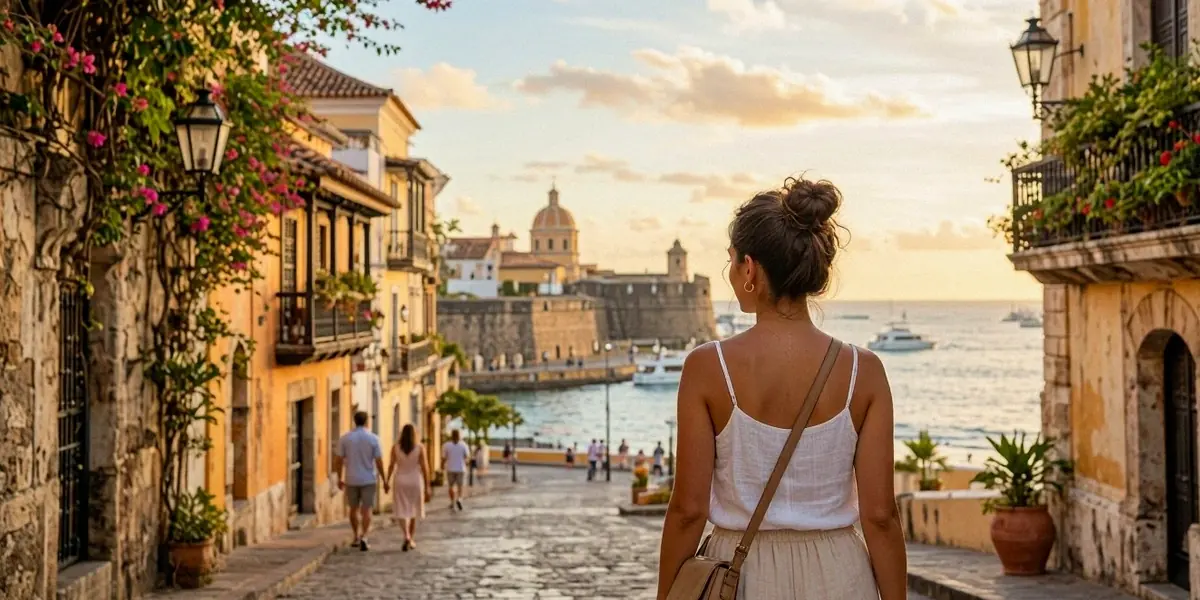
Cartagena is one of Colombia’s safest major tourist cities, and the areas you’ll spend most of your time in — the walled city and Getsemaní — are heavily policed and busy with visitors from morning until late. Most Australians we hear from describe feeling safer than they expected. That said, Cartagena is a city of over a million people with real income inequality, and petty crime does happen. Treat it like you would any busy tourist hub in Europe or Asia: stay aware, don’t flash valuables, and you’ll be fine.
Crime Rates and Common Risks
Violent crime against tourists is rare, but pickpocketing, bag snatching and distraction theft are the risks you’re most likely to encounter. Phone snatching — often from motorbikes — has become more common in recent years, particularly in the evening. Drink spiking has also been reported in nightlife areas, so watch your glass and never leave drinks unattended. Keep expensive jewellery, watches and large amounts of cash out of sight, and use a crossbody bag rather than a loose shoulder bag.
How Cartagena Compares to Other Colombian Cities
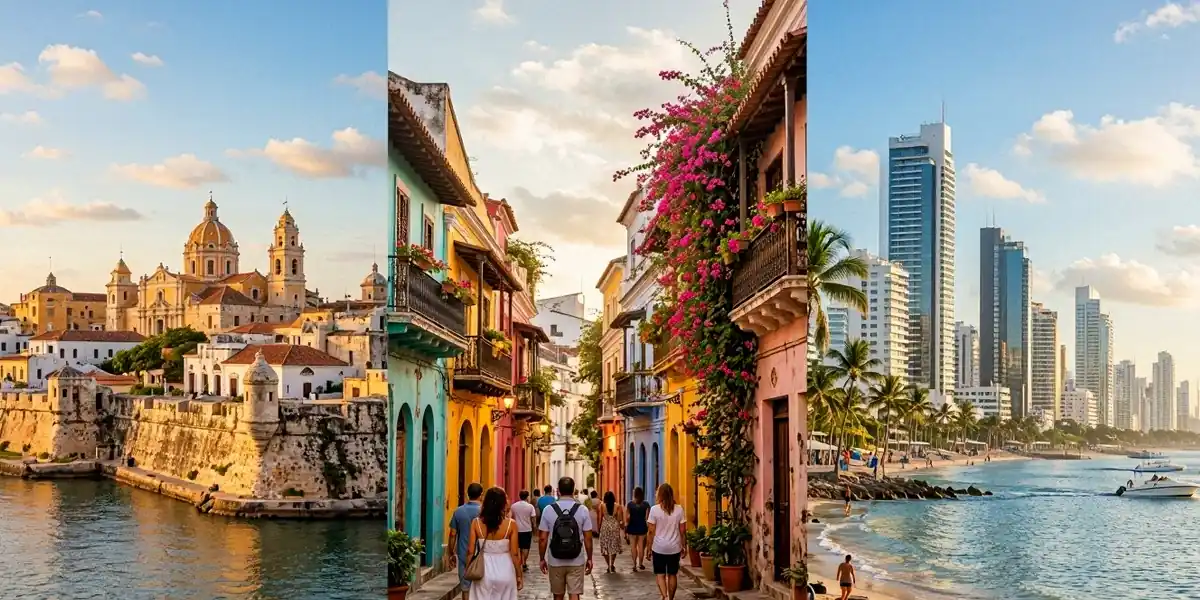
Compared with Bogotá, Medellín or Cali, Cartagena’s tourist zones are smaller, more walkable and more heavily patrolled, which makes them easier to manage. Medellín has a reputation for sophisticated scams targeting foreigners; Bogotá’s issues are more spread out across a huge city. Cartagena’s challenges are concentrated in specific pockets, which means a bit of local knowledge goes a long way. It’s also worth checking Smartraveller, the Australian government’s travel advice service, before you fly — it gives you a current, country-level picture and lets you register your travel plans.
Staying Safe in the Walled City and Getsemaní
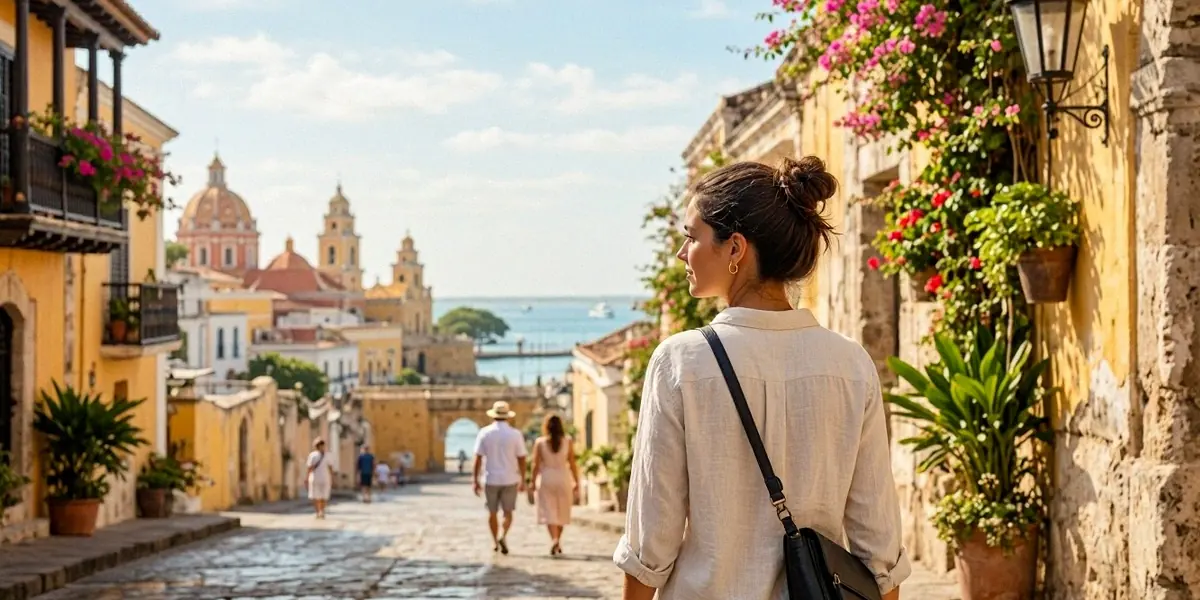
The walled city and Getsemaní are where you’ll likely spend most of your time, and both are generally safe during daylight hours. The walled city is a UNESCO-listed maze of plazas, churches and colonial streets; Getsemaní, just outside the old walls, is the city’s creative heart, full of street art, bars and boutique hotels. Both are walkable and lively, but the atmosphere shifts after dark.
Daytime vs Nighttime Safety
In the daytime, you can wander freely. Plaza Santo Domingo, the Clock Tower (Torre del Reloj) and the streets around them are busy with tourists, vendors and performers, and there’s a visible police and security presence. At night, the main plazas and bar strips remain busy and are generally fine — but the quieter, darker streets between them are where you should take extra care. Avoid walking alone after about 10pm, stick to well-lit routes, and use a taxi or ride-share for anything more than a few blocks. If you’re staying in Getsemaní, ask your hotel which streets they recommend after dark — locals know which blocks to avoid.
Pickpocket Hotspots and How to Avoid Them
The busiest tourist spots are also where pickpockets work: Plaza Santo Domingo, the Clock Tower area, the walls themselves at sunset, and the crowded sections of Getsemaní’s Calle del Arsenal. Common tactics include bumping into you, spilling something on you, or creating a distraction with a street performance. Our advice:
- Keep phones and wallets in front pockets or a zipped crossbody bag, never a back pocket.
- Don’t leave bags on the backs of chairs at restaurants or bars.
- Be cautious of anyone who gets unusually close or overly friendly in a crowd.
- Use your phone discreetly — don’t walk along the walls holding it out in front of you.
- Carry only what you need for the day and leave the rest in your hotel safe.
Transport and Getting Around Safely
Getting around Cartagena is straightforward if you use the right options. The old city is walkable, but for longer trips — to the airport, Bocagrande, or the port — you’ll want a taxi or ride-share. The key rule: never hail a random taxi off the street, especially at night.
Taxis and Ride-Sharing Apps
Uber operates in Cartagena. It’s a legal grey area — the app works and is widely used, though some taxi drivers discourage it — but for visitors it’s often the easiest option because the price is fixed in the app and you don’t need cash or Spanish. Official taxis are also fine if you use a reputable company, insist on the meter or agree on a price before getting in, and avoid unmarked cars. Hotel-arranged transfers are the safest option of all, particularly for airport pickups and late-night trips. If you do take a taxi, screenshot the licence plate and share your trip with someone.
Boat Trips to the Rosario Islands
The Rosario Islands are one of the highlights of any Cartagena trip — a chain of coral islands about an hour offshore with clear water and excellent snorkelling. But boat safety varies enormously. Only book through reputable operators, ideally arranged by your hotel or a well-reviewed tour company. Avoid the cheap boats that tout for business at the docks, and check that life jackets are provided and the vessel looks seaworthy. Weather can turn quickly in the afternoon, so morning departures are generally calmer. If a deal looks too good to be true, it probably is.
Health and Environmental Safety
Cartagena is a tropical city, and a few sensible health precautions will keep your trip on track. The heat and humidity are significant — especially if you’re arriving from a southern hemisphere winter — so pace yourself and stay hydrated.
Water and Food Safety
Don’t drink tap water. Bottled water is cheap and available everywhere, and most hotels and restaurants use filtered water for ice and cooking. Street food is generally fine if it’s cooked fresh and busy — if a stall has a queue of locals, that’s a good sign. Wash or peel fruit, and be cautious with raw salads and unpasteurised juices if you have a sensitive stomach.
Mosquito-Borne Illnesses and Vaccinations
Dengue and Zika are both present in Colombia, and mosquito bites are worth taking seriously. Use repellent containing DEET or picaridin, especially around dawn and dusk, and consider long sleeves in the evenings. Check with your GP or a travel clinic about recommended vaccinations — yellow fever, hepatitis A and typhoid are commonly discussed for Colombia. Before you leave Australia, check Smartraveller for current health advice, and make sure your travel insurance covers medical evacuation. Cartagena’s private hospitals are decent, but serious cases may require transfer to Bogotá or Miami.
Local Laws, Scams, and Cultural Respect
Colombia takes drug offences extremely seriously, and penalties for possession — even small amounts — are severe. Don’t accept packages from strangers, don’t carry anything for anyone, and don’t joke about drugs with police. Beyond that, the main thing Australians need to know is how to spot common scams and how to interact respectfully with locals.
Common Scams and How to Avoid Them
The most common scams in Cartagena include fake police who ask to “check” your cash or documents, overpriced tours sold on the street, and taxi drivers who claim the meter is broken. If someone identifies themselves as police, ask to see formal identification and offer to walk to a nearby station or your hotel — genuine officers will cooperate. Book tours through your hotel or a licensed agency, and agree taxi fares before you get in. If a stranger offers to show you a “local spot” or a “special deal”, politely decline.
Legal Differences Australians Should Know
Colombian law differs from Australia in several ways worth noting. Drug penalties are harsh, as mentioned. Police can ask for identification at any time, so carry a copy of your passport rather than the original. Photography of military or police installations is restricted. And while Colombia is generally tolerant, public behaviour that would be unremarkable in Australia — like drinking heavily in the street — can attract unwanted attention. Learning a few Spanish phrases goes a long way: “buenos días”, “gracias”, “por favor” and “¿cuánto cuesta?” will earn you warmer treatment everywhere.
Emergency Contacts and Practical Tips
Save these numbers in your phone before you arrive, and keep a printed copy in your bag as backup. Most hotels in the tourist areas have English-speaking staff who can help you make calls or navigate a situation.
Key Phone Numbers and Embassy Info
- Police: 123
- Medical emergency: 125
- Fire: 119
- Australian Embassy in Bogotá: +57 1 657 8000 (24-hour consular line for Australians in distress)
- Your hotel front desk: save the number — often the fastest help in a non-emergency
The Australian Embassy in Bogotá is the main consular point of contact for Australians in Colombia. It can’t get you out of jail or pay your bills, but it can replace a lost passport, contact family, and provide a list of local doctors and lawyers. Register your travel plans on Smartraveller so the embassy knows you’re in the country.
What to Do If Something Goes Wrong
If you’re robbed, prioritise your safety over your belongings — hand things over rather than resist. Then get to a safe place, call your hotel, and file a police report (a “denuncia”) as soon as possible; you’ll need it for insurance. If you lose your passport, contact the Australian Embassy in Bogotá immediately. For medical issues, your hotel can usually recommend a reputable clinic. Keep a digital and printed copy of your passport, insurance policy and emergency contacts, and use your hotel safe for anything you don’t need on you.
FAQ
Is Cartagena safe for solo Australian travellers?
Yes, with the usual precautions. Solo travellers — including women — regularly visit Cartagena and have great trips. Stick to well-lit, busy areas at night, avoid walking alone after about 10pm, use Uber or hotel-arranged taxis, and stay in the walled city or Getsemaní where there’s a strong tourist and police presence.
Do I need travel insurance for Cartagena?
Absolutely. Australian Medicare doesn’t cover you overseas, and medical evacuation from Colombia can cost tens of thousands of dollars. Make sure your policy covers medical evacuation and, ideally, theft of valuables. Check Smartraveller for the current advice before you buy.
Can I drink the tap water in Cartagena?
No — stick to bottled or filtered water. Most hotels and restaurants use filtered water for ice and cooking, but tap water isn’t recommended for drinking. Bottled water is inexpensive and available at every corner shop.
Is Uber available in Cartagena?
Yes, Uber operates in Cartagena and is widely used by visitors. It sits in a legal grey area — some taxi drivers discourage it — but it’s generally considered a safe, convenient option. Hotel-arranged transfers are the safest choice for airport runs and late nights.
How do I get to the Rosario Islands safely?
Book through a reputable operator, ideally arranged by your hotel or a well-reviewed tour company. Avoid cheap boats touting for business at the docks, check that life jackets are provided, and prefer morning departures when the water is calmer. The Rosario Islands are a highlight — just don’t cut corners on the boat.
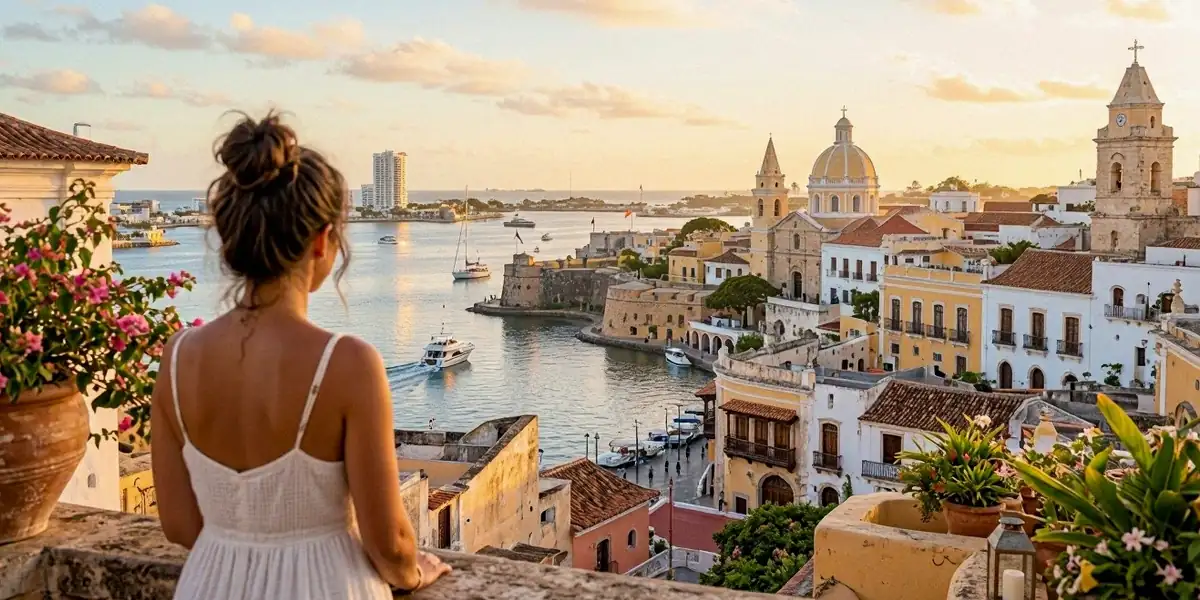
Cartagena rewards travellers who arrive prepared. With a bit of common sense, the right transport choices and a healthy respect for local customs, Australian visitors can explore the walled city, wander Getsemaní, and sail out to the Rosario Islands with confidence. Focus on what makes this city special — the warmth of its people, the colours of its streets, and the Caribbean light on the old walls at sunset — and you’ll come home with stories worth telling.


Post Comment