Best Time to Visit Cartagena: A Guide for Australian Travellers
Cartagena sits on Colombia’s Caribbean coast, which means it enjoys a tropical climate that stays warm right through the year. There’s genuinely no bad time to visit, but what you get out of your trip — sunshine, crowds, festival energy, hotel prices — shifts quite a bit depending on when you arrive. For Australian travellers planning a long-haul journey, getting the timing right can be the difference between a relaxed escape and a soggy one. Here’s how we break down the seasons, events, and practical considerations so you can pick the window that suits you best.
Cartagena’s Climate: What to Expect Year-Round

Cartagena is hot and humid almost every day of the year, with average temperatures hovering between 27°C and 31°C. The Caribbean breeze takes the edge off, particularly in the evenings when the walled city comes alive with street vendors and outdoor diners. What changes through the year isn’t so much the temperature as the rainfall — Cartagena has a pronounced dry season and a pronounced wet season, and knowing the difference matters when you’re booking flights from Australia.
Dry Season (December to April)
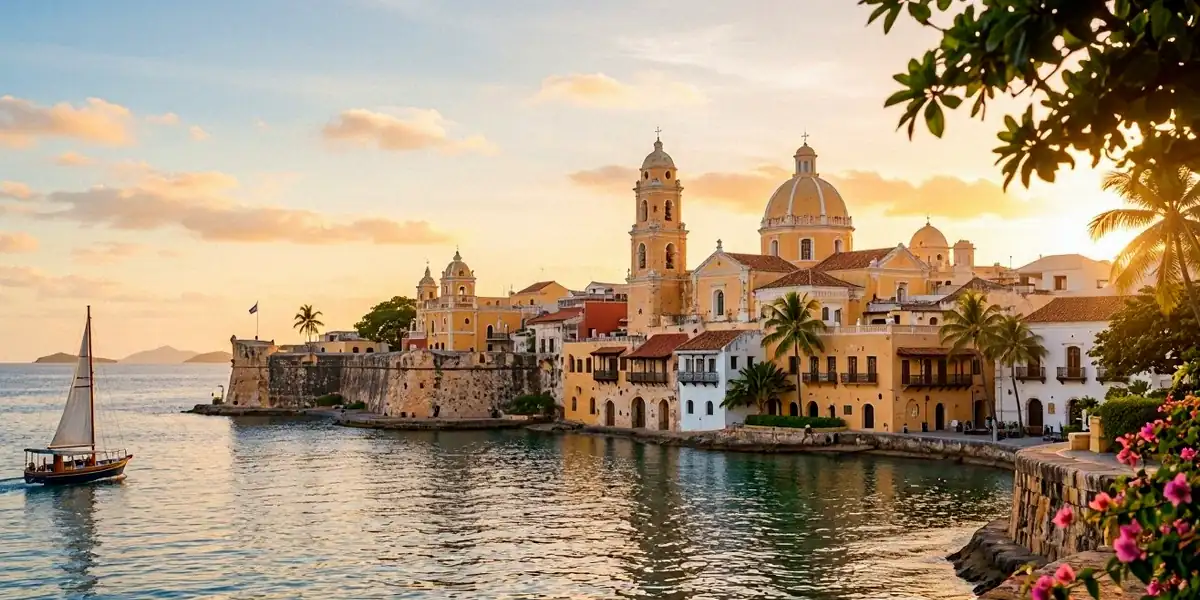
This is the postcard version of Cartagena. Skies are blue, humidity is lower, and rain is rare. Expect full sun most days, perfect for walking the walls of the old city, exploring Getsemaní’s colourful streets, or catching a boat to the Rosario Islands. It’s also the busiest and most expensive period, especially over Christmas, New Year, and Easter. If you’re chasing reliable beach weather, this is your window.
Wet Season (May to November)
The wet season doesn’t mean constant rain — typically you’ll get a heavy afternoon shower that clears within an hour or two, followed by sunshine. Mornings are usually clear, so plan outdoor activities early. The upside is lush green landscapes, fewer tourists, and noticeably lower hotel rates. October is historically the wettest month, so if you’re sensitive to humidity or planning lots of outdoor excursions, you may want to avoid it.
Hurricane Season Considerations
Cartagena sits just outside the main Caribbean hurricane belt, and direct hits are rare. However, the Atlantic hurricane season runs from June to November, and while Colombia’s coast is generally spared the worst, you can still see rough seas, heavy rain, and occasional travel disruptions. Travel insurance that covers weather-related delays is worth having if you’re visiting during this period.
High Season vs. Low Season: Crowds and Costs
High season in Cartagena runs roughly from mid-December through April, aligning with North American and European winter escapes. Hotel prices in the walled city and Getsemaní can double or even triple during peak weeks, and boutique stays book out months in advance. Low season (May to November) offers significantly better value, with more availability and room to negotiate on longer stays.
When to Book for the Best Deals
If you’re targeting the dry season, book at least three to four months ahead — six months for Christmas, New Year, or Easter. For low season travel, you can often book two to three months out and still find excellent rates. Shoulder months like late April, May, and early November offer a nice middle ground: reasonable weather, thinner crowds, and prices that won’t make you wince.
Avoiding the Crowds in the Walled City
The walled city and Getsemaní are the two neighbourhoods most Australian visitors gravitate towards, and they get genuinely packed in high season. To dodge the worst of it:
- Visit the walled city early in the morning before 9am, when it’s cool and quiet.
- Explore Getsemaní in the late afternoon, when locals emerge and the street art looks its best.
- Book restaurants a few days ahead during December and January.
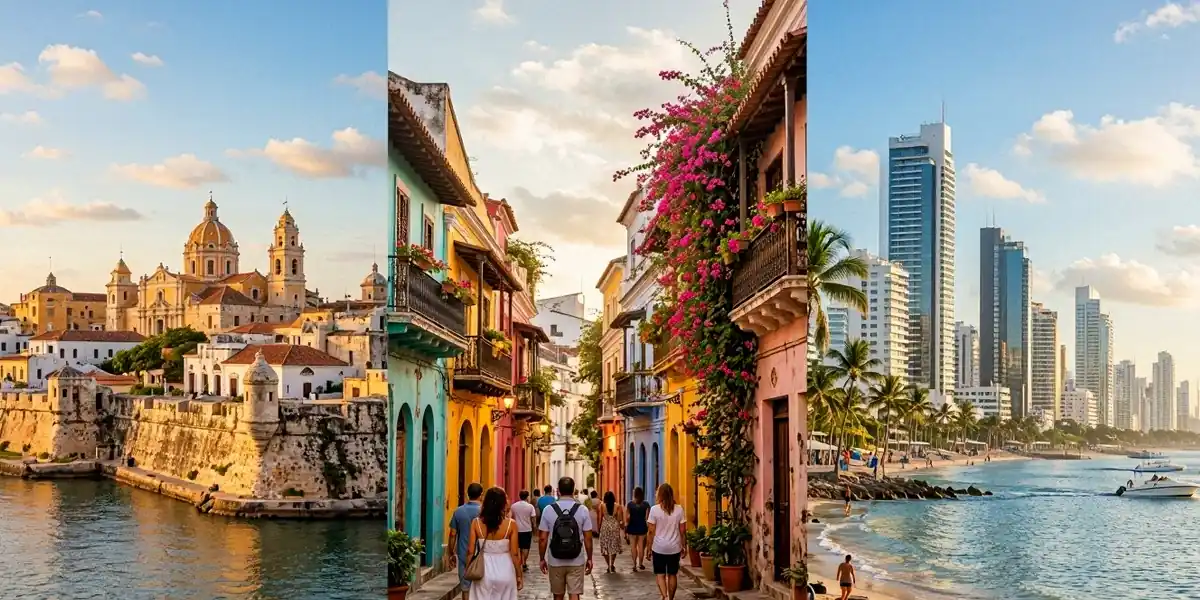
- Consider staying in Bocagrande or Manga for easier access and better rates while still being close to the action.
Key Festivals and Events in Cartagena
Cartagena’s cultural calendar is one of the city’s biggest drawcards, and timing your trip around a festival can transform the experience — though it also means booking early and paying premium rates.
January: Hay Festival
The Hay Festival Cartagena is a four-day literary and ideas festival held each January, drawing writers, journalists, and thinkers from across Latin America and beyond. Events take place in venues throughout the walled city, and the atmosphere is lively but intellectual. If you’re a book lover, this is a fantastic reason to visit — just book accommodation well in advance.
March: Cartagena International Film Festival
Held each March, the Cartagena International Film Festival (FICCI) is one of Latin America’s oldest and most respected film events. Screenings take place in cinemas and outdoor venues across the city, with a strong focus on Ibero-American cinema. It’s a great time to visit if you want culture without the peak-season price tag of December and January.
November: Independence Day Festivities
Cartagena’s Independence Day is celebrated on November 11, marking the city’s declaration of independence from Spain in 1811. Expect parades, music, dancing, and a genuinely local atmosphere — this is less of a tourist event and more of a city-wide party. The month also brings the Miss Colombia pageant and the start of the Christmas season, so November is busier than you might expect.
Weather in the Rosario Islands: A Year-Round Escape
The Rosario Islands (Islas del Rosario) are a protected archipelago about 45 minutes by boat from Cartagena’s harbour, and they’re a top attraction for snorkelling, diving, and beach relaxation. Weather patterns mirror Cartagena’s, so the dry season (December to April) offers the clearest water and calmest seas.
Best Time for Snorkelling and Diving
Visibility underwater is best from December through April, when seas are calm and rainfall runoff is minimal. That said, the Rosario Islands are diveable year-round, and the wet season often brings fewer boats and quieter reefs. If you’re a serious diver, aim for the dry season; if you’re happy with a snorkel and a beach chair, any month works.
Day Trips vs. Overnight Stays
Day trips from Cartagena are popular and easy to arrange, but we always recommend at least one overnight stay. The islands empty out in the late afternoon when day-trippers head back, and you get sunset, silence, and a completely different experience. Book ahead during high season, as the best eco-hotels and boutique lodges fill quickly.
Practical Tips for Australian Travellers
The journey from Australia to Cartagena is long, but it’s manageable with a bit of planning. Here’s what we tell our Australian readers before they book.
Flight Routes and Airlines
Qantas and LATAM offer flights from Sydney and Melbourne to Cartagena with stops in Santiago or Los Angeles. Total travel time is typically 24 to 30 hours including layovers. Booking 3 to 6 months ahead usually secures the best fares, and routing through Santiago often works out cheaper than via the US.
Packing Essentials for Cartagena’s Climate
Lightweight, breathable clothing is essential. Bring:
- Linen and cotton shirts, shorts, and dresses
- Comfortable walking shoes for cobblestones
- Reef-safe sunscreen and a wide-brimmed hat
- A light rain jacket if travelling May to November
- Insect repellent, especially for the Rosario Islands
- A reusable water bottle — stay hydrated
Health and Safety Considerations
Australians don’t need a visa for Colombia for stays up to 90 days, which makes a Cartagena trip refreshingly straightforward on the paperwork front. Check your routine vaccinations are current, and consider hepatitis A and typhoid shots. Travel insurance is a must — make sure it covers medical evacuation. Cartagena is generally safe for tourists in the main areas, but stick to well-lit streets at night and use registered taxis or ride-share apps.
Our Verdict: The Best Time to Visit Cartagena
For Australians, the sweet spot depends on what you’re after. If you want the most reliable weather and don’t mind paying peak prices, aim for the dry season between December and April. If you’re escaping the Australian winter in June, July, or August, you’ll hit Cartagena’s wet season — but it’s still warm, still beautiful, and considerably quieter and cheaper. For a balance of decent weather and good value, we’d point you towards late April, May, or early November.
Ultimately, Cartagena rewards visitors in every season. The walled city, Getsemaní, and the Rosario Islands each offer something different depending on the month, and with a bit of forward planning, Australian travellers can enjoy this Caribbean gem on their own terms.
FAQ
Do Australians need a visa to visit Colombia?
No — Australian passport holders can enter Colombia visa-free for stays of up to 90 days for tourism. You’ll just need a valid passport, proof of onward travel, and to complete the Check-Mig form online before arrival.
What’s the cheapest time to visit Cartagena from Australia?
May through early November is generally the cheapest window, with lower hotel rates and more flight availability. September and October are typically the quietest and most affordable months, though they’re also the wettest.
Is Cartagena safe for Australian tourists?
Yes, in the main tourist areas like the walled city, Getsemaní, and Bocagrande. Use common sense — avoid displaying valuables, stick to busy streets at night, and use registered taxis or apps like Uber and InDriver.
How long does it take to fly from Australia to Cartagena?
Expect 24 to 30 hours total travel time from Sydney or Melbourne, including one or two stops in Santiago or Los Angeles. Qantas and LATAM are the main carriers on these routes.
Can you visit the Rosario Islands year-round?
Yes, the Rosario Islands are accessible all year. The dry season (December to April) offers the best snorkelling conditions, but the wet season brings fewer crowds and often better accommodation deals.


Post Comment