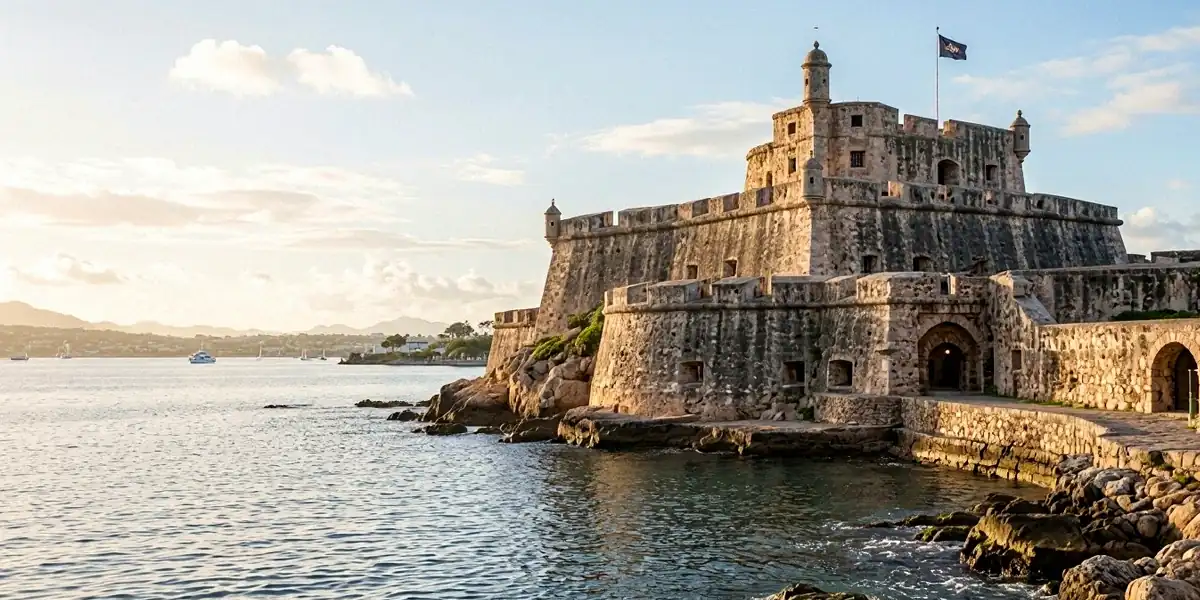
Castillo San Felipe: Visiting Cartagena’s Mighty Fortress
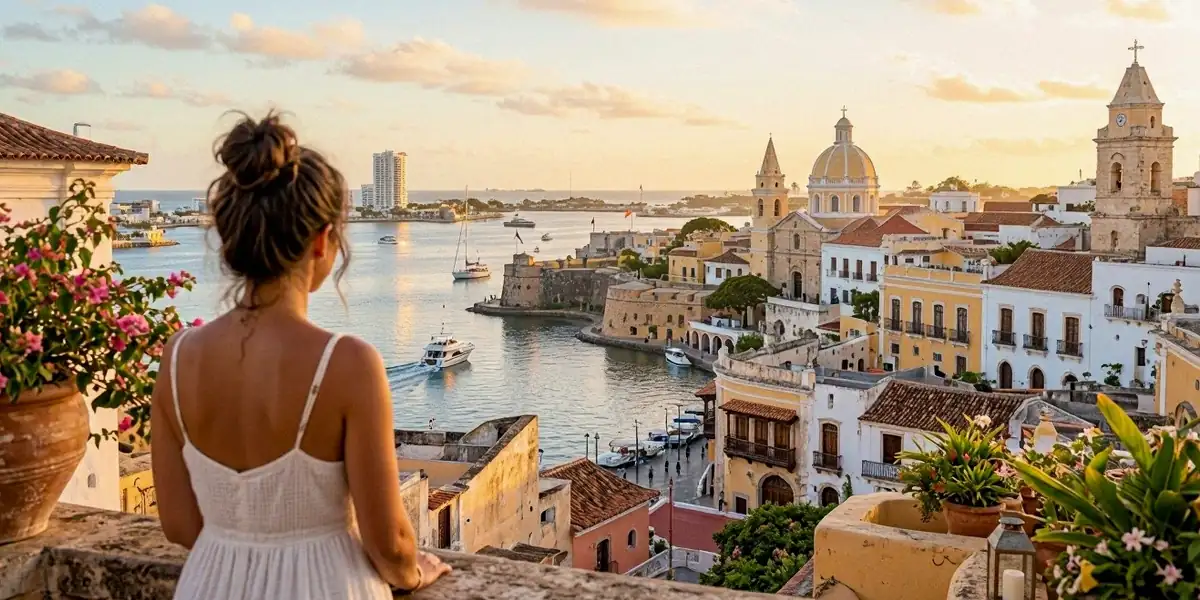
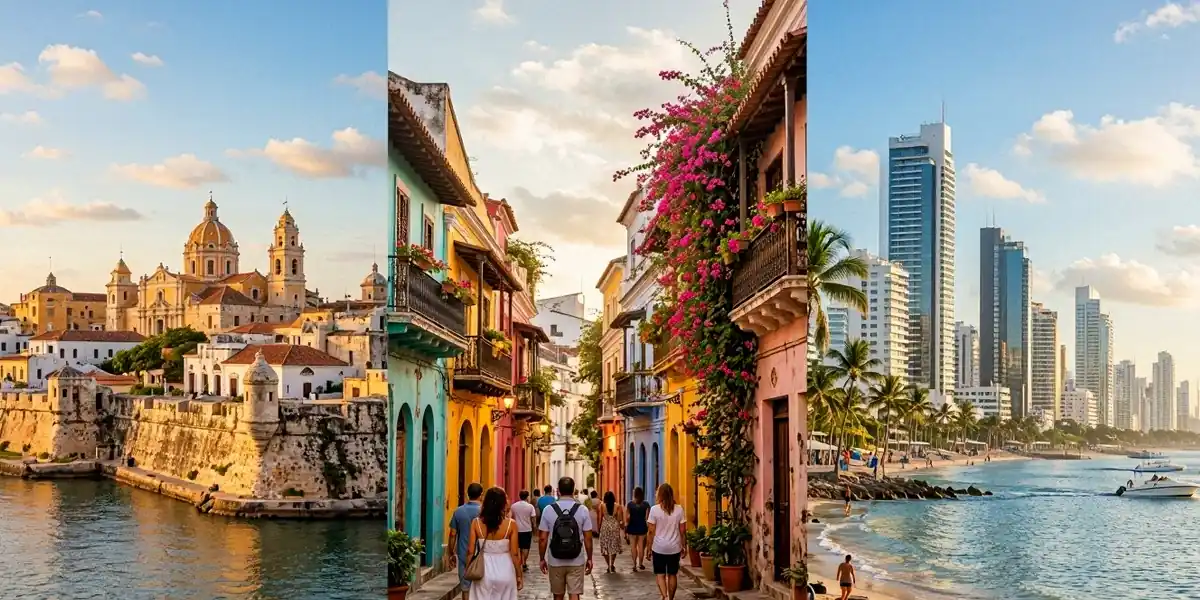
Stand on the ramparts of Castillo San Felipe de Barajas and the Caribbean breeze hits you square in the face, warm and salty, while the whole of Cartagena spreads out below — the domes of the walled city to your left, the high-rises of Bocagrande to your right, and Getsemaní’s tangled streets somewhere in between. It’s one of those travel moments that stays with you. For Australian travellers building a Cartagena Colombia itinerary, this 16th-century fortress is not optional. It’s the anchor. Here’s everything we tell our readers about visiting it properly.
Why Castillo San Felipe Deserves a Spot on Your Cartagena Itinerary
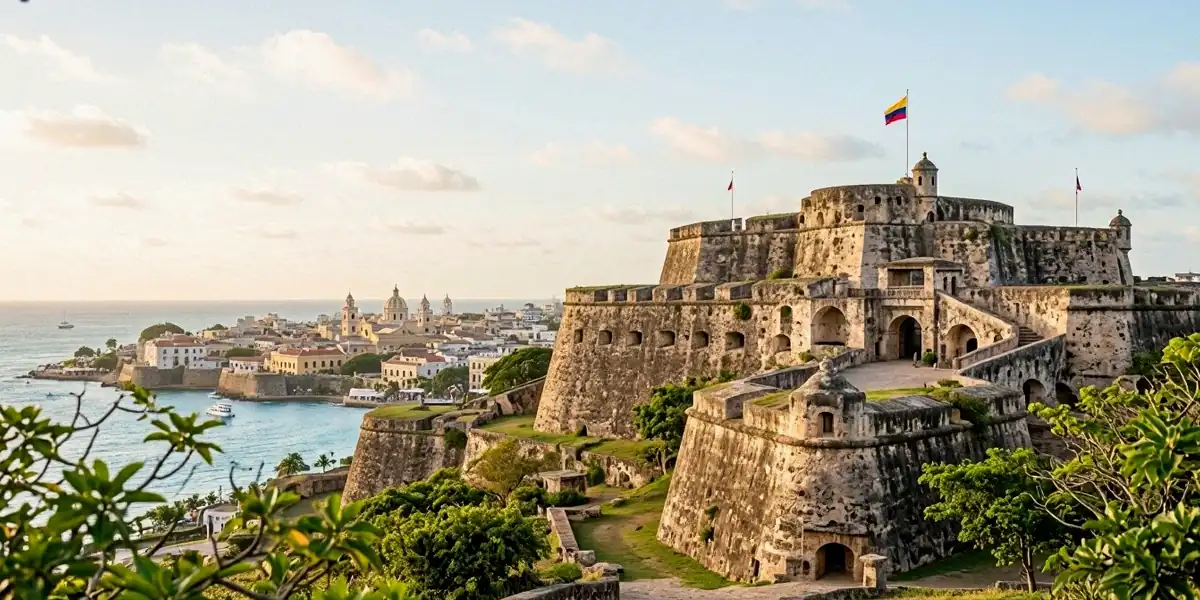
Castillo San Felipe de Barajas is the largest Spanish fortification in the Americas, and once you’re standing inside it, that fact stops being a trivia line and starts being obvious. The walls are thick, the slopes are steep, and the whole thing was engineered to be almost impossible to attack. Built on the Hill of San Lázaro, it guarded Cartagena’s landward approach for centuries, protecting the city’s gold, trade routes and harbour from pirates, privateers and full-scale foreign invasions — including a famous failed assault by Admiral Vernon in 1741.
The fortress forms part of the UNESCO World Heritage listing of the Port, Fortresses and Group of Monuments of Cartagena, which is one of the main reasons the city’s historic core draws travellers from all over the world. If you’re going to understand why Cartagena looks and feels the way it does, you need to see this place.
A Brief History of the Fortress
Construction began in the 1530s and the fort was expanded dramatically over the following two centuries, with Spanish military engineers continually reinforcing it as Cartagena’s strategic value grew. The design uses overlapping fields of fire, angled bastions and a network of tunnels so defenders could move troops and supplies without exposing themselves to cannon fire. The British learned this the hard way in 1741, when Vernon’s fleet — one of the largest ever assembled in the Caribbean — was repelled. That defeat helped cement Cartagena’s reputation as one of the most heavily defended cities in the Spanish Empire.
What Makes It Unique Compared to Other Cartagena Attractions
The walled city is beautiful, but it’s largely a walking-and-eating experience. Getsemaní is about street art, music and nightlife. Castillo San Felipe is different — it’s physical, tactile and genuinely enormous. You climb, you duck through tunnels, you stand behind cannons that once fired on real ships. There’s also the view, which no plaza in the old town can match. It’s the one attraction in Cartagena that gives you the city’s full geography in a single sweep.
Getting There and Practical Info for Australian Visitors
Good news on the paperwork front: Australians can enter Colombia visa-free for stays of up to 90 days, which makes a Cartagena stop easy to slot into a longer South America trip. Just make sure your passport has at least six months’ validity and you have proof of onward travel if asked.
Location and How to Get There from the Walled City
The fortress sits just outside the old town, roughly a 20 to 30 minute walk from the Clock Tower (Torre del Reloj), the main gateway between the walled city and Getsemaní. From Getsemaní itself, it’s closer — maybe 15 to 20 minutes on foot depending on where you’re staying. If you’d rather not walk in the heat, a taxi from the walled city is short and cheap; agree on the fare or make sure the meter is running before you set off.
- On foot from the Clock Tower: 20–30 minutes via Avenida Carlos Escallón and the base of the hill
- From Getsemaní: 15–20 minutes, mostly flat until the final climb
- Taxi: 5–10 minutes from the old town; expect a fare of around 10,000–15,000 COP
- Ride-share apps: Available in Cartagena, though pickup points near the fortress can be busy
Opening Hours, Tickets and Best Time to Visit
The fortress is typically open daily from around 8am to 6pm, though hours can shift slightly, so it’s worth checking before you go. Entry is approximately 25,000 COP for adults, with discounts sometimes available for children and students. Credit cards are often accepted at the ticket office, but we always recommend carrying cash — it’s safer if the card machine is down or the queue is long. The site is exposed with very little shade, so early morning or late afternoon visits are far more comfortable than the middle of the day.
Accessibility and What to Bring
Be honest with yourself about mobility. The fortress involves steep ramps, uneven stone surfaces and narrow tunnel sections. It’s not wheelchair-friendly in most areas, and even fully mobile visitors will work up a sweat. Bring:
- At least one litre of water per person
- A wide-brimmed hat and reef-safe sunscreen
- Comfortable shoes with grip — the stone gets slick
- Cash in small notes for tickets, water and tips
- A light rain jacket if you’re visiting in the wetter months
Exploring the Fortress: What to See and Do
Give yourself at least two hours here — more if you’re the type who reads every plaque. The site is bigger than most first-timers expect, and the layout rewards wandering.
Walking the Ramparts and Tunnels
The ramparts are the highlight. You’ll walk along the top of the walls, past rows of cannons pointing out to sea, with panoramic views over the Caribbean, the old town and the Bocagrande skyline. Then there are the tunnels — a labyrinth of passages built so defenders could move unseen. Some are lit and easy to navigate; others are dark and require a phone torch. They’re genuinely fun, but if you’re claustrophobic, stick to the lit sections.
The Museum and Historical Displays
There’s a small museum on-site with artefacts, models and information about the fort’s construction and the battles it survived. It’s not the British Museum, but it adds useful context. We’d also strongly suggest hiring a guide or picking up an audio guide — without one, the tunnels and bastions blur together and you miss the engineering story that makes the place remarkable.
Photography Tips and Best Viewpoints
The best shots come from the upper ramparts facing the old town, especially in the late afternoon when the light turns golden and the domes of the cathedral glow. Bring a wide lens for the panoramas and something with a bit of zoom for the city skyline. Avoid midday — harsh light flattens everything. And keep an eye on your gear; the wind up top is stronger than it looks.
Tours and Experiences: Should You Book One?
You can absolutely visit independently, but for first-timers we think a guide is worth it. The history is dense, the layout is confusing, and a good guide turns a pile of old stones into a story about empire, piracy and survival.
Group vs Private Tours
Group tours booked through platforms like GetYourGuide or local operators typically run around 60,000–120,000 COP per person and last two to three hours. Private tours cost more — often 250,000 COP and up — but give you flexibility, better pacing and the chance to ask endless questions. If you’re travelling as a couple or small group, private can work out surprisingly reasonable per head.
Combo Tours with Other Cartagena Highlights
Many operators bundle Castillo San Felipe with a walking tour of the walled city or a boat trip to the Rosario Islands. These combos are efficient if your time in Cartagena is limited, but be careful not to overstuff a single day — the heat will wear you down faster than you expect.
Tips for Aussie Travellers: Weather, Safety and Nearby Eats
Cartagena is hot. Not Queensland-hot — humid-hot, the kind that soaks your shirt within ten minutes of stepping outside. Plan around it.
Beating the Heat: What to Wear and Carry
Light, breathable clothing, a hat, sunscreen and more water than you think you need. Visit early morning or after 3pm. If you’re doing the fortress and the walled city on the same day, schedule the fortress first while you’re fresh.
Staying Safe Around the Fortress
The area around Castillo San Felipe is generally safe during daylight hours, but it’s a tourist site, which means pickpockets and opportunistic sellers. Stick to populated areas, don’t flash expensive cameras or phones, and avoid wandering the surrounding streets after dark. Use common sense — the same rules you’d apply in any busy tourist zone anywhere in the world.
Where to Eat and Drink Nearby
After your visit, head into Getsemaní — it’s a trendy neighbourhood with cafes, street art and a lively food scene. Café Havana is a legendary spot for live music and a cold drink, while La Cevichería is famous for its seafood ceviche and has the queues to prove it. Both are excellent post-fortress rewards.
Pairing Castillo San Felipe with Other Cartagena Highlights
The fortress works best as part of a bigger Cartagena plan. Here’s how we’d structure it.
Walled City and Getsemaní
Do the fortress in the morning, then walk back through Getsemaní for lunch, street art and a coffee. In the late afternoon, explore the walled city — the plazas, the cathedral, the sunset walk along the walls themselves. It’s a full day but a genuinely great one.
Rosario Islands Day Trip
Give the Rosario Islands their own day. Boat tours leave from Cartagena’s marina in the morning and return in the late afternoon, with snorkelling, beach time and lunch included. Trying to combine the islands with the fortress in one day is a recipe for exhaustion.
Sample two-day plan:
- Day 1: Castillo San Felipe in the morning, Getsemaní lunch and street art, walled city in the late afternoon
- Day 2: Rosario Islands day trip, dinner back in the old town
Castillo San Felipe is more than a history lesson — it’s a genuinely memorable experience with the best views in Cartagena. Give it at least two hours, bring water, and let yourself slow down. The breeze on those walls is worth the climb.
FAQ
How much does it cost to enter Castillo San Felipe?
Entry is approximately 25,000 COP for adults. Discounts may apply for children and students, and credit cards are often accepted but cash is the safer option.
Do Australians need a visa to visit Colombia?
No. Australians can enter Colombia visa-free for stays of up to 90 days, which covers a typical Cartagena and Colombia itinerary.
How long should I spend at the fortress?
We recommend at least two hours. The site is large, and the tunnels, ramparts and museum all take time to explore properly.
What’s the best time of day to visit?
Early morning or late afternoon. The fortress has very little shade, and midday heat in Cartagena is intense.
Is Castillo San Felipe worth visiting without a guide?
Yes, but a guide adds real value — especially for first-timers. The history and engineering behind the fortress are easy to miss without context.


Post Comment