Colombian Pesos, Cards and Tipping in Cartagena: What Australian Travellers Need to Know
You step out of Rafael Núñez International Airport into the thick Caribbean heat, flag down a taxi to your hotel in the walled city, and reach for your card. The driver shakes his head — cash only. Suddenly that neat stack of plastic in your wallet feels useless, and you’re hunting for an ATM before you’ve even checked in. We’ve seen this exact scenario play out with dozens of Australian travellers, and it’s completely avoidable. This guide covers everything you need to know about Colombian pesos, ATMs, cards and tipping so your money works as smoothly as your itinerary.
Understanding Colombian Pesos and Exchange Rates for Australians
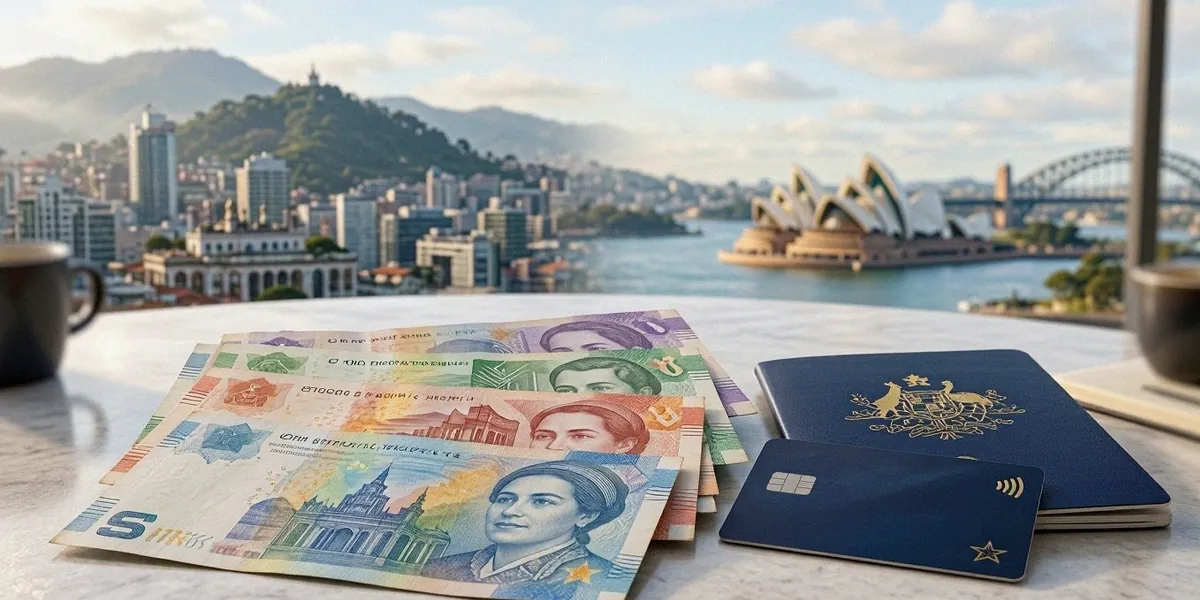
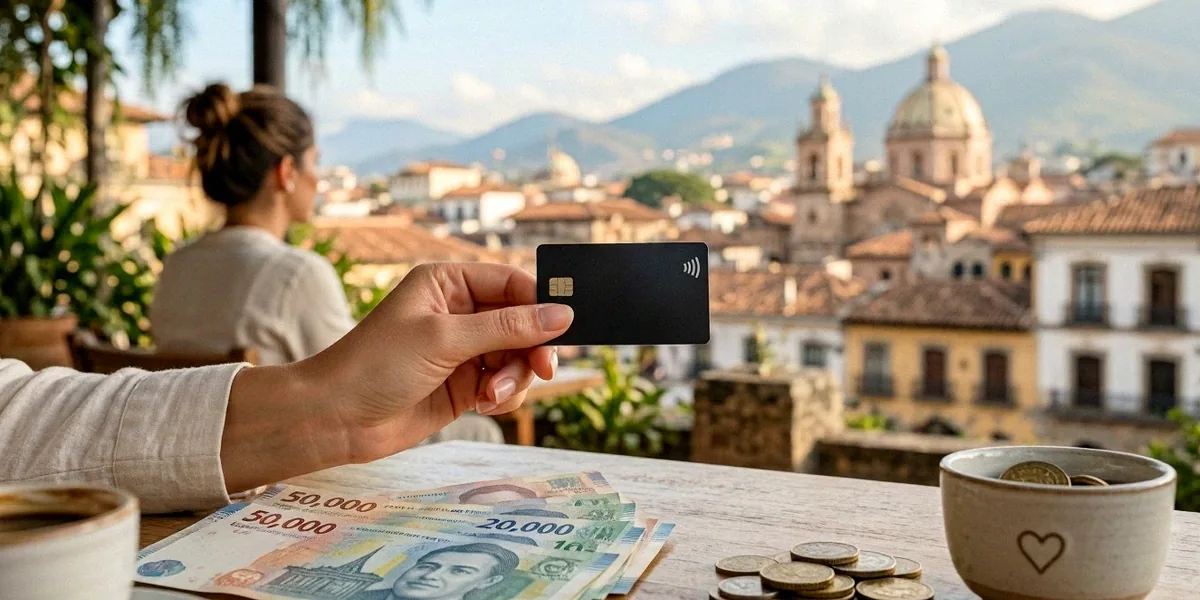
The Colombian Peso (COP) is the only currency you’ll use in Cartagena. Prices look enormous at first — a coffee for 8,000, a taxi for 15,000 — but that’s just the scale of the currency. The trick is to think in thousands, not in single pesos. Once you mentally divide everything by 1,000, the numbers become manageable.
Current Exchange Rate: AUD to COP
As a rough guide, 1 AUD buys about 2,600–2,800 COP, though you should check the current rate before you travel since it moves regularly. That means a 50,000 COP meal is roughly $18–19 AUD, and a 600,000 COP ATM withdrawal is about $215–230 AUD. Here’s a quick mental cheat sheet:
- 10,000 COP ≈ $3.70 AUD
- 50,000 COP ≈ $18.50 AUD
- 100,000 COP ≈ $37 AUD
- 500,000 COP ≈ $185 AUD
One important catch: the Australian dollar is not widely exchanged in Cartagena. Very few casas de cambio will accept AUD, and the rates are poor when they do. Bring US dollars as your backup currency instead — USD is accepted at exchange offices everywhere — or rely on ATMs for your peso needs.
Why You Should Carry Small Denominations
Colombian businesses are notorious for running short on change. Handing over a 100,000 COP note for a 12,000 COP arepa can leave your vendor scrambling. Keep a stash of 10,000, 20,000 and 50,000 COP notes for taxis, street food, water and tips. Break large notes at supermarkets or chain stores rather than small vendors.
Where to Exchange Money in Cartagena
You’ll find exchange offices (casas de cambio) in the walled city, along Avenida San Martín in Bocagrande, and at the airport. Airport rates are typically the worst. For the best combination of rate and safety, use ATMs for larger amounts and casas de cambio for USD cash. Always count your money before leaving the counter, and never use street money changers who approach you on the street — the rates look tempting but the risk of short-changing or counterfeit notes is high.
Using ATMs and Cards in Cartagena: Fees, Limits and Warnings
ATMs are the most practical way for Australians to get pesos in Cartagena. The major banks — Bancolombia, Davivienda, BBVA and Banco de Bogotá — all have machines across the city, including in the walled city and Getsemaní. Withdrawal limits vary, but Bancolombia ATMs often allow up to 600,000 COP per transaction, with a fee of about 15,000–20,000 COP. Some machines cap you at 400,000 COP, so you may need two withdrawals.
Which ATMs Are Best for Australian Cards?
In our experience, Bancolombia and Davivienda have the most reliable machines for foreign cards, and both display English menus. BBVA is also solid. Servibanca machines are common but often have lower limits and higher fees. A few practical points:
- Use ATMs inside shopping centres, banks or hotels where possible — they’re safer and better maintained.
- Withdraw during daylight hours and avoid isolated street machines at night.
- Decline the ATM’s offered conversion rate and let your own bank handle it — this avoids a hidden markup of 3–6%.
- Take your card and cash promptly, and cover the keypad when entering your PIN.
Credit and Debit Card Acceptance: Where They Work
Many businesses in the walled city and Getsemaní accept credit cards, particularly restaurants, boutique hotels, tour operators and larger shops. Visa and Mastercard are widely accepted; American Express less so. However, small vendors, street food stalls, market sellers and taxis prefer cash — often only cash. If you’re planning a day of market browsing in Getsemaní or a street food crawl, assume you’ll need pesos.
Avoiding Dynamic Currency Conversion and Skimming
When a card terminal offers to charge you in AUD instead of COP, always choose COP. This is dynamic currency conversion (DCC), and it typically adds 3–6% to your bill through a poor exchange rate. Skimming does happen in tourist areas, so use ATMs attached to bank branches, check the card slot for loose fittings, and consider a card with tap-to-pay or a digital wallet like Apple Pay or Google Pay where accepted.
Tipping in Cartagena: Who, How Much and When
Tipping in Colombia is appreciated but not mandatory, and the rules differ from Australia. In tourist-heavy areas like the walled city and Rosario Islands, tipping is more expected, while local neighbourhood spots rarely factor it in.
Restaurants and Bars: Is the 10% Already Included?
Restaurants in Cartagena often include a 10% propina (tip) in the bill, sometimes listed as “propina voluntaria” or “servicio.” Legally, you can ask to remove it — it’s voluntary — but most travellers leave it in place for good service. If it’s not included, 10% is the standard tip for table service. At bars, rounding up or leaving 2,000–5,000 COP per round is plenty.
Hotel Staff, Tour Guides and Drivers
For hotel staff, 5,000–10,000 COP per bag for porters and 10,000–20,000 COP per day for housekeeping is a reasonable guide. Tour guides generally receive 20,000–50,000 COP per person for a half-day tour, and private drivers 20,000–30,000 COP for a half-day. Taxi drivers aren’t typically tipped — just round up to the nearest 1,000 COP if you’re feeling generous.
Tipping on Rosario Islands Day Trips
Day trips to the Rosario Islands usually involve boat crews, guides and sometimes waitstaff at beach clubs. A combined tip of 20,000–50,000 COP per person across the crew is standard on a full-day tour. Bring small notes — there’s no ATM on most islands, and card machines are rare.
Cash vs Card: Budgeting for Your Cartagena Trip
The golden rule for Cartagena is simple: carry a mix of both. Cards work well in hotels, mid-to-upper-range restaurants and tour bookings, while cash is essential for street food, markets, taxis and small vendors in Getsemaní.
How Much Cash to Carry Daily
We suggest budgeting around 150,000–250,000 COP per person per day in cash for meals, transport, tips and small purchases, plus a card for bigger expenses. That’s roughly $55–90 AUD daily. Keep only what you need for the day in your wallet and leave the rest in your hotel safe.
When Cards Are Convenient
Use cards for hotel bills, upscale restaurants, organised tours and any purchase over 200,000 COP. Note that some smaller businesses add a card surcharge of 3–5%, so ask before tapping. For everything else — a mango from a cart, a mototaxi, a beer in a tienda — cash is king.
Budgeting for Tours and Activities
Rosario Islands day trips typically run 250,000–500,000 COP per person. Walled city walking tours are often free with a tip expected (30,000–50,000 COP). Cooking classes, salsa lessons and sunset sails range from 150,000–400,000 COP. Most operators accept cards, but confirm before booking.
Practical Money Tips for Australian Travellers
Before You Leave: Bank Notifications and Cards
Notify your bank you’re travelling to Colombia, and check your card’s foreign transaction fees. Australian banks like CommBank, Westpac and ANZ may charge around 3% per transaction, which adds up fast. Consider a Wise or Revolut travel money card, which typically offers much better exchange rates and lower fees. Load some pesos in advance if you can.
Staying Safe: Avoiding Scams and Theft
Cartagena is generally safe for tourists, but petty theft happens in crowded areas. Use a crossbody bag, keep your phone out of sight in markets, and avoid flashing large notes. Never use street money changers, and be wary of anyone “helping” you at an ATM. If a machine swallows your card, contact your bank immediately rather than accepting help from a stranger.
Emergency Cash and Backup Plans
Keep USD 100–200 hidden separately as emergency cash — it’s exchangeable almost anywhere in Cartagena. Carry two different cards from separate banks in case one is blocked, and store a digital copy of your card details securely. If your cards fail entirely, Western Union and MoneyGram offices in Bocagrande can receive transfers from Australia within hours.
FAQ
Can I use Australian dollars in Cartagena?
No — AUD is rarely accepted or exchanged in Cartagena. Bring US dollars if you want a cash backup, or rely on ATMs for Colombian pesos.
How much cash should I withdraw at once in Cartagena?
Bancolombia ATMs often allow up to 600,000 COP per transaction with a fee of around 15,000–20,000 COP. Withdraw the maximum to minimise per-transaction fees, and keep the cash in your hotel safe.
Is the 10% tip at Cartagena restaurants mandatory?
No. The 10% propina is voluntary and can be removed from the bill on request, though most travellers leave it for good service.
Do taxis in Cartagena take credit cards?
Almost never. Taxis in Cartagena are cash-only, so always carry small notes like 10,000 and 20,000 COP for fares.
Should I use a Wise or Revolut card in Colombia?
Yes — both are excellent options for Australian travellers. They typically offer better exchange rates and lower fees than CommBank, Westpac or ANZ cards, which may charge around 3% per foreign transaction.
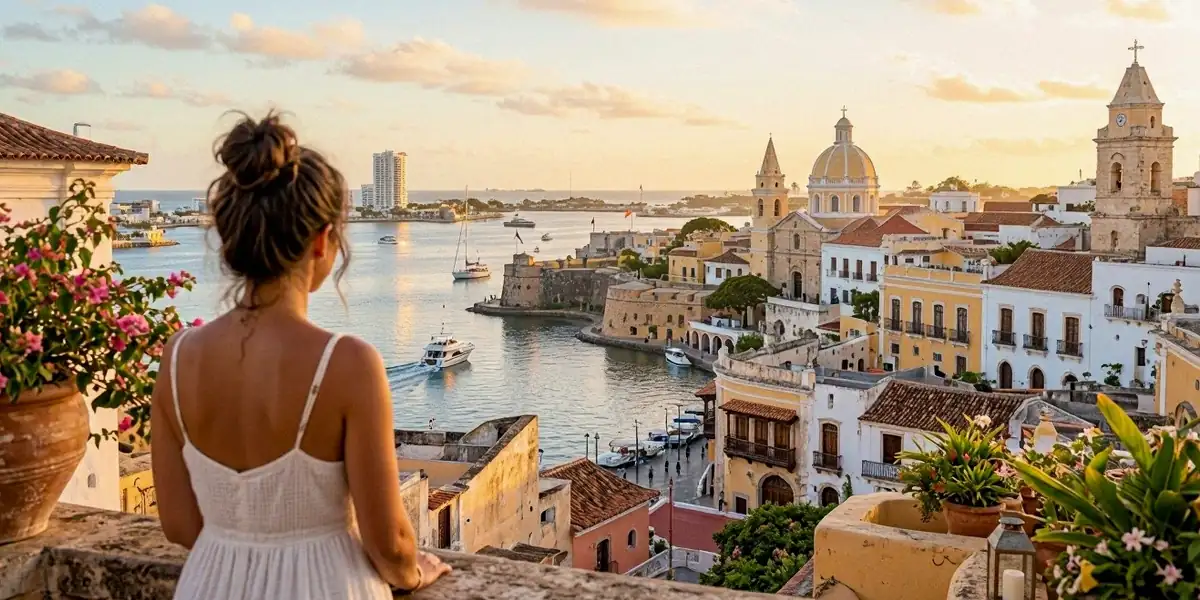
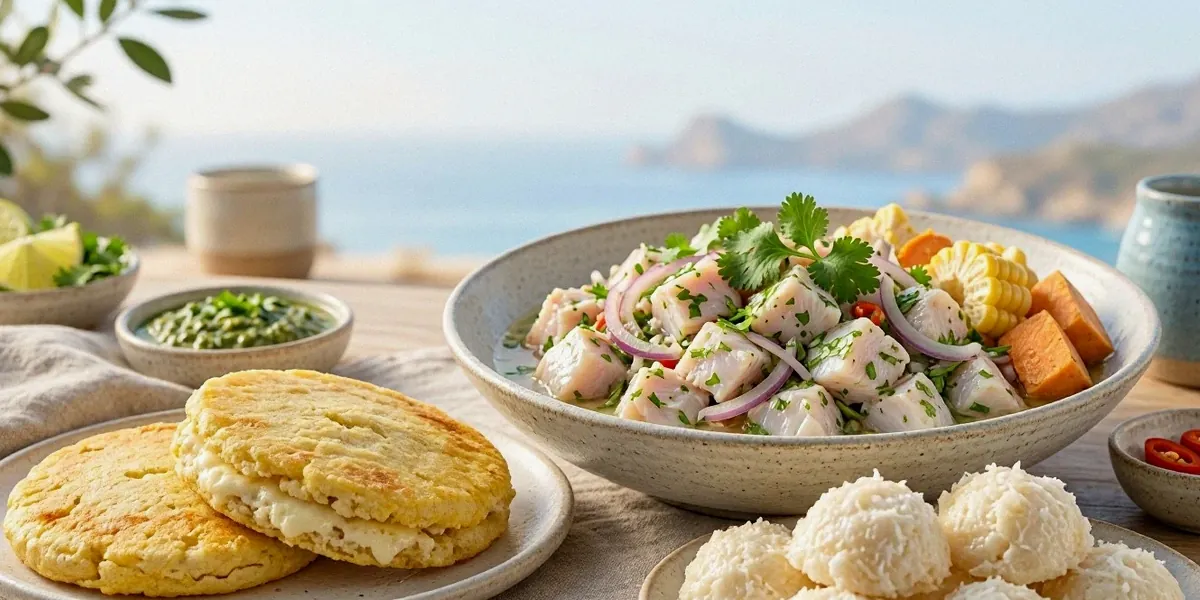
A little planning around pesos, cards and tipping goes a long way in Cartagena. Bring a mix of cash and cards, keep small denominations handy, use bank-affiliated ATMs, and treat the 10% propina as a normal part of dining out. Do that, and you can focus entirely on what matters — wandering the walled city at sunset, eating your way through Getsemaní, and soaking up a day trip to the Rosario Islands without a single money worry.

Post Comment