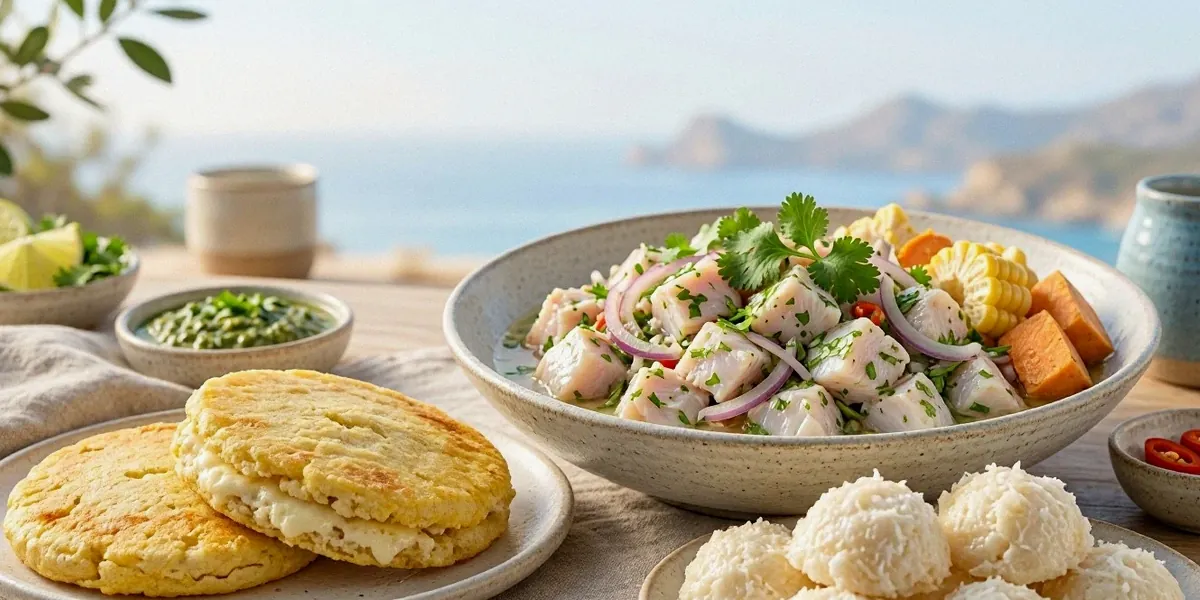
What to Eat in Cartagena Colombia: Arepas, Ceviche and Cocadas
We step out into Getsemaní just as the sun drops behind the old city walls, and within half a block the smell hits us — corn dough hitting hot oil, smoke curling off a street cart, something sweet and coconutty drifting from a doorway. A champeta track thumps from a corner speaker, someone’s abuela is ladling soup into plastic bowls, and a group of travellers is crowded around a vendor flipping arepas de huevo. This is the real Cartagena Colombia experience, and it happens at street level, one bite at a time. If you’re flying in from Sydney or Melbourne — Qantas and LATAM both route you here via Santiago or Bogotá, roughly 24 to 30 hours door to door — you’ll want to land hungry. Food isn’t a side note in this city. It’s the main event.
Why Cartagena’s Food Scene Deserves Your Full Attention
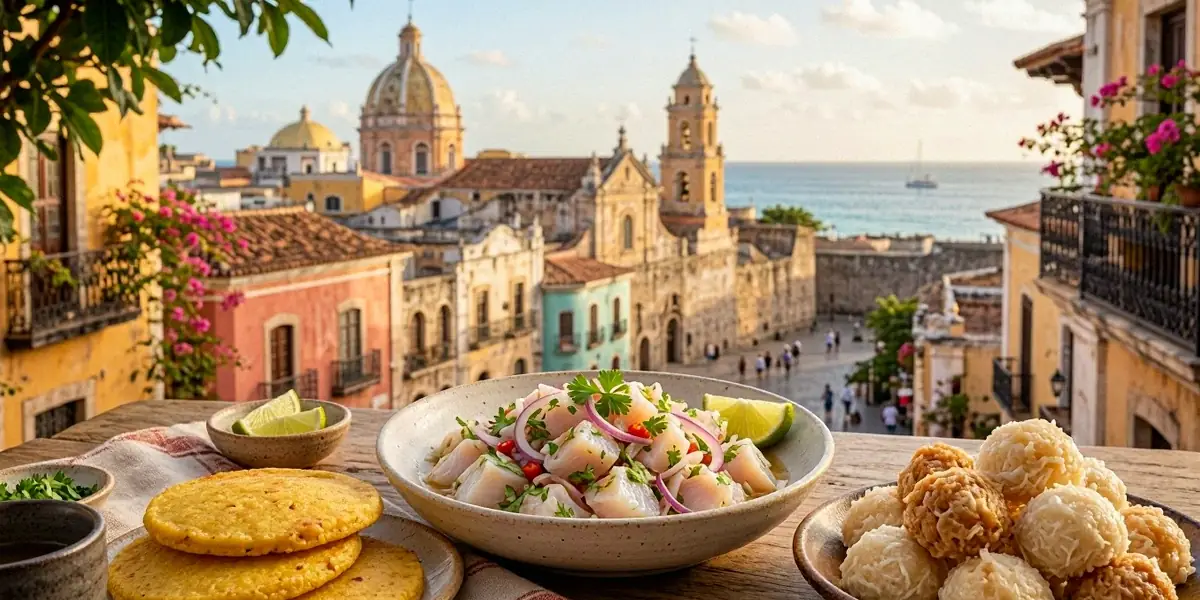
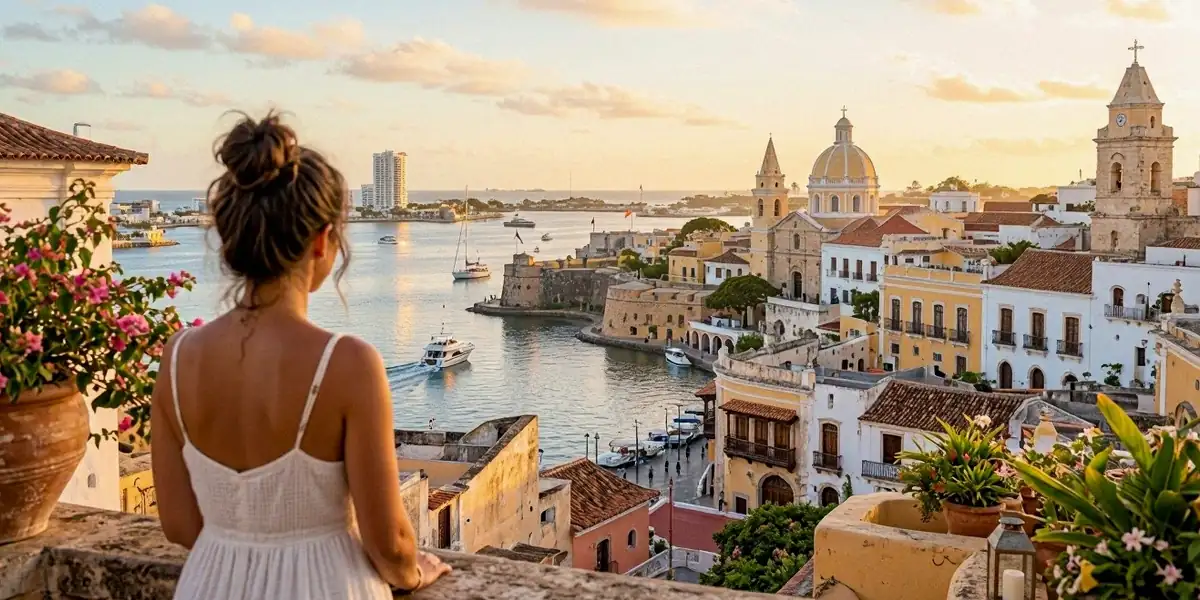
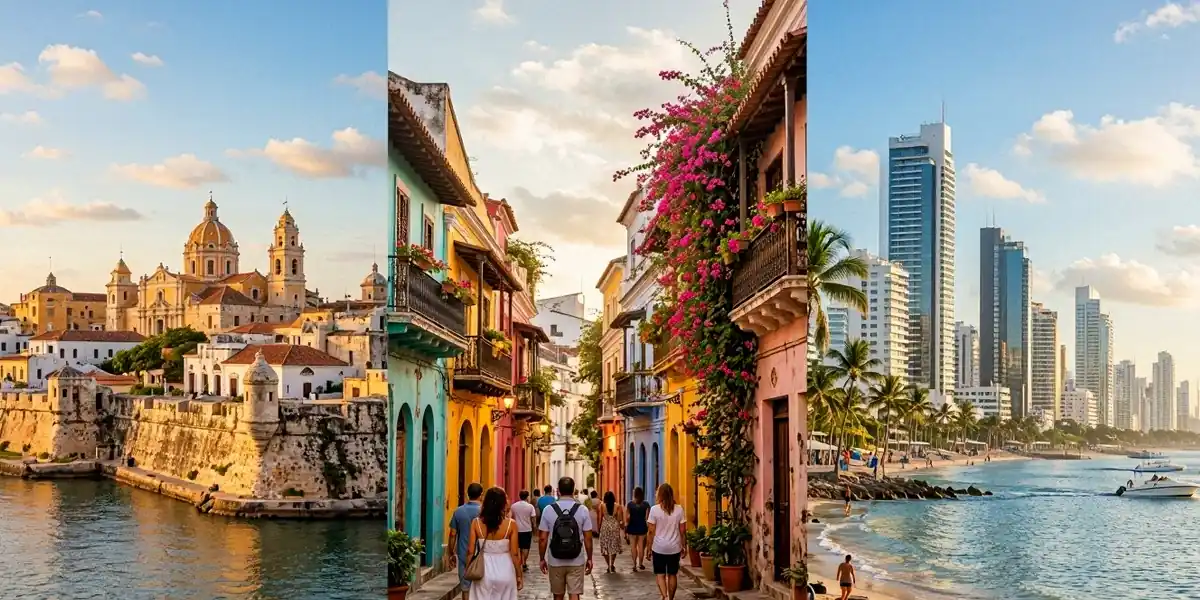
Most visitors treat eating as something to squeeze between beach time and photos of the walled city. We’d argue the opposite: in Cartagena, the food is the fastest way into the culture. The city’s cooking pulls together Indigenous ingredients, African technique and Spanish colonial influence in a way you won’t find anywhere else in South America, and it’s all accessible within a few walkable neighbourhoods. The walled city (Ciudad Amurallada), a UNESCO World Heritage site, is packed with upscale restaurants and rooftop bars, while Getsemaní, just outside the walls, is where you’ll find street art, food stalls and a far more local dining scene. Start your food crawl in those two areas and you’ll cover most of the city’s culinary range in a weekend.
A Melting Pot of Indigenous, African and Spanish Flavours
Before the Spanish arrived, the Caribbean coast’s Indigenous peoples were already cooking with corn, yuca, fish and tropical fruit. Enslaved Africans brought to the region added deep-frying techniques, coconut milk and hearty one-pot cooking, while the Spanish contributed rice, pork and beef. The result is a cuisine built on corn, coconut, seafood and slow-cooked meat — familiar enough for Australian palates, but with a tropical twist that keeps things interesting.
How to Eat Like a Local in the Walled City and Getsemaní
Our advice: eat your big meal at lunch, snack through the afternoon, and graze on street food at night. A few ground rules we follow:
- Follow the crowds — a busy street cart is turning over fresh food, not sitting on old stock.
- Try the set lunch (menú del día) at small restaurants; it’s cheap, filling and usually excellent.
- Save your splurge for a rooftop dinner inside the walled city, and keep the rest of your meals casual in Getsemaní.
- Carry small notes and coins — many vendors don’t have change for large bills.
Arepas: The Everyday Staple You’ll Eat Everywhere
If there’s one food that defines Cartagena, it’s the arepa — a round corn cake that shows up at breakfast, as a snack, and alongside dinner. You’ll find them everywhere from street corners near the Torre del Reloj to the chaos of Bazurto Market, and each version has its own personality. The two you’ll meet first are the arepa de huevo and the arepa de queso.
Arepa de Huevo: The Breakfast Classic
The arepa de huevo is exactly what it sounds like: a corn dough pocket stuffed with a raw egg, then deep-fried until the shell crisps and the yolk sets. It’s breakfast, hangover cure and street snack all in one, usually served with a squeeze of lime or a spoon of ají picante. Eat it hot, standing up, with a paper napkin in hand.
Arepa de Queso: The Cheesy Crowd-Pleaser
For something simpler, the arepa de queso is a grilled or fried corn cake with melted white cheese inside. It’s milder, chewier and dangerously easy to eat three of. Vendors near the Torre del Reloj sell them fresh off the griddle in the late afternoon, which is when we usually cave in.
Where to Find the Best Arepas in Cartagena
Our favourite spots are the street vendors clustered around the Torre del Reloj in the walled city, and the food stalls inside Bazurto Market, where locals queue for arepas de huevo from early morning. Bazurto isn’t polished — go with a guide if you’re unsure — but the arepas there are as authentic as it gets.
Ceviche: Fresh Seafood with a Caribbean Kick
Cartagena’s ceviche is a Caribbean take on the classic: fresh fish or shrimp cured in lime juice with red onion, coriander and a bit of chilli, often served with patacones (fried green plantain) or salty crackers. It’s lighter and fruitier than the Peruvian version, and it pairs perfectly with a cold Aguila beer on a hot afternoon.
Ceviche Styles You’ll See on Menus
- Ceviche de camarón — shrimp cured in lime, usually the most popular order.
- Ceviche de pescado — white fish, often corvina or snapper, cut into cubes.
- Ceviche mixto — a mix of shrimp, fish and sometimes octopus or squid.
- Ceviche de mango — a sweeter, fruit-forward version that shows up on modern menus.
The Rosario Islands Connection: Day-Trip Seafood
For the freshest ceviche you’ll ever eat, head to the Rosario Islands. They’re a 45-minute boat ride from Cartagena’s Muelle de la Bodeguita, and the seafood shacks on the islands serve fish that was swimming that morning. We’d plan a full day trip — snorkel, swim, then eat ceviche with your feet in the sand.
Best Places to Try Ceviche in Cartagena
La Cevichería in Getsemaní is the name everyone knows, and it earns the hype — expect a queue at peak times. For something quieter, the ceviche stalls in Bazurto Market and the seafood restaurants along the Rosario Islands’ beaches are just as rewarding.
Cocadas and Other Sweet Treats You Can’t Miss
You’ll spot them before you taste them: palenqueras, the women in traditional colourful dresses who sell cocadas and fruit around the walled city. They’re an iconic photo opportunity, but they’re also your best source for the city’s best sweets — and buying directly from them is how the money stays local.
Cocadas: Coconut, Sugar and Sunshine
A cocada is a dense little sweet made from grated coconut and sugar, sometimes flavoured with vanilla, pineapple or lime. They’re chewy, tropical and dangerously moreish — buy a bag, not a single piece. They also travel well, which makes them ideal souvenirs for Australian friends who love tropical flavours.
Enyucado and Other Local Sweets
Beyond cocadas, look for enyucado — a dense cake made from yuca, coconut and cheese — and bolas de tamarindo, tangy tamarind balls rolled in sugar. There’s also the ever-present arequipe (a caramel-like dulce de leche) and the sweet coconut rice pudding known as arroz con coco.
Where to Buy the Best Cocadas in Cartagena
The palenqueras working the plazas around the walled city, especially near Plaza de Santo Domingo and the Torre del Reloj, are the classic source. For a wider selection, the sweet stalls inside Bazurto Market sell cocadas, enyucados and tamarind sweets by the bag.
Beyond the Big Three: Other Cartagena Foods Worth Trying
Once you’ve ticked off arepas, ceviche and cocadas, keep going. Cartagena’s home cooking is where the city’s personality really shows, and most of it is served in unassuming restaurants across the walled city and Getsemaní.
Posta Negra: Cartagena’s Sweet and Savoury Beef
Posta negra is a slow-cooked beef dish braised in a dark, sweet sauce made with panela (unrefined cane sugar), spices and sometimes cola. The meat falls apart, the sauce is sticky and rich, and it’s usually served with coconut rice and patacones. Order it for lunch.
Mote de Queso: A Comforting Soup
Mote de queso is a thick, creamy soup made from ñame (a root vegetable) and salty white cheese, finished with lime and coriander. It sounds simple and tastes like comfort food — perfect on a rainy afternoon or after a long flight.
Coconut Rice and Fried Fish: The Caribbean Plate
The classic coastal plate is fried fish with coconut rice, patacones and a simple salad. If you’ve eaten your way through Southeast Asia or the Mediterranean, the coconut rice will feel instantly familiar but distinctly Caribbean — slightly sweet, fragrant and the perfect base for crispy fish. You’ll find it everywhere from beach shacks on the Rosario Islands to family restaurants in Getsemaní.
Practical Tips for Eating Well in Cartagena
A little planning goes a long way. Here’s what we tell friends before they fly in.
Street Food vs. Restaurants: What to Expect
Street food in Cartagena is generally safe if the stall is busy and the food is cooked fresh in front of you. We avoid pre-cut fruit sitting in the sun and anything that’s been sitting out for hours. Restaurants in the walled city are noticeably pricier than those in Getsemaní — often double — so we split our meals between the two.
Budgeting for Meals in Cartagena
- Street food: arepas, cocadas and snacks for a few thousand pesos each.
- Local lunch spots: a full menú del día for around 15,000–25,000 COP.
- Getsemaní restaurants: mid-range mains, good value for the quality.
- Walled city fine dining: the splurge end — book ahead for rooftop tables.
Staying Healthy While Eating Adventurously
Stick to bottled or filtered water — don’t drink tap water, and skip ice in places that look questionable. If you have a sensitive stomach, be cautious with raw seafood, even though the ceviche is excellent. Bring basic rehydration sachets and don’t let one bad meal stop you from exploring.
Food is the gateway to understanding Cartagena. Be adventurous, eat where the locals eat, and always save room for cocadas.
FAQ
Is Cartagena’s street food safe for Australian travellers?
Generally yes, if you choose busy stalls where food is cooked fresh to order. Avoid pre-cut fruit and anything that’s been sitting out, and stick to bottled water.
How long does it take to fly from Australia to Cartagena?
Qantas and LATAM offer flights from Sydney and Melbourne to Cartagena via Santiago or Bogotá, with total travel time around 24 to 30 hours including connections.
What’s the best day trip for fresh seafood near Cartagena?
The Rosario Islands, a 45-minute boat ride from Muelle de la Bodeguita, are famous for ultra-fresh seafood and make an easy full-day trip.
Where can I buy cocadas in Cartagena?
Palenqueras — women in traditional colourful dresses — sell cocadas around the walled city, especially near Plaza de Santo Domingo and the Torre del Reloj. Bazurto Market also has excellent sweet stalls.
Do I need to book restaurants in the walled city in advance?
For popular rooftop bars and upscale restaurants, yes — especially on weekends and during high season. Getsemaní is more walk-in friendly.

Post Comment